
Business
Milking Shorthorn Cattle: Complete Guide to History, Characteristics, Milk Production, and Farming

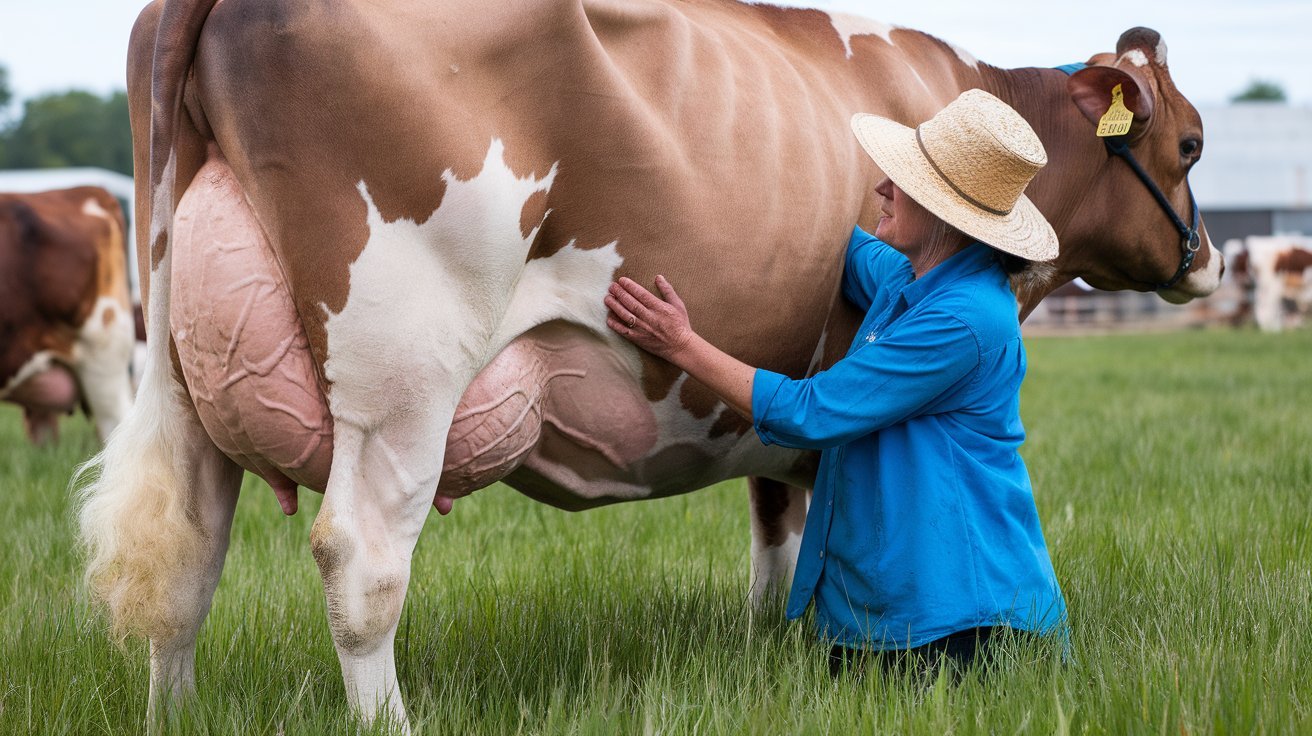
Milking Shorthorn cattle are one of the world’s historic dual-purpose cattle breeds, valued for their ability to produce both milk and beef. The breed is especially recognized for its calm temperament, grazing ability, reproductive performance, useful milk quality, and long productive life. The American Milking Shorthorn Society describes the breed as highly versatile, with notable traits including grazing efficiency, production potential, disease resistance, calving ease, calving interval, and milk quality.
Unlike highly specialized dairy breeds selected primarily for maximum milk volume, Milking Shorthorns have traditionally been developed around a broader farming purpose. They can provide a productive milk supply while their calves and mature animals also retain valuable beef characteristics. This combination makes them interesting for family farms, pasture-based dairying, mixed farming operations, and livestock breeders.
What Are Milking Shorthorn Cattle?
Milking Shorthorn cattle are the dairy-oriented branch of the historic Shorthorn breed. Shorthorns originated in northeastern England, particularly around the Valley of the Tees River and the counties of Northumberland, Durham, and York. Early breeders selected the cattle for useful combinations of milk and meat production rather than focusing on only one purpose.
The breed is known for its distinctive colors. Milking Shorthorns can be red, white, or roan, with roan being a particularly recognizable mixture of red and white hairs. These colors have been associated with Shorthorn cattle for centuries.
Milking Shorthorns are generally docile and adaptable animals. Their calm nature can make routine handling easier, although individual temperament always depends on genetics, management, handling, and environment.
The breed also has a reputation for being useful on pasture. Efficient grazing can be particularly valuable for farms that want to make greater use of grass and other forage resources instead of depending entirely on intensive feeding systems.
History of the Milking Shorthorn Breed
The history of Milking Shorthorn cattle is closely connected with the development of Shorthorn cattle in Britain. Shorthorns are among the oldest recognized cattle breeds, and their improvement became particularly important during the development of systematic livestock breeding in the 18th and 19th centuries.
Shorthorn cattle reached the United States as early as 1783, when milk-breed Shorthorns were imported to Virginia. They became useful to early American farmers because they could provide milk, meat, and draft power.
The American Herdbook began recording Shorthorn cattle in 1846, while the American Shorthorn Breeders’ Association was established in 1882. Milking Shorthorn breeders later developed organizations and recording programs specifically focused on improving and promoting the dairy qualities of the breed.
The history of the breed also reflects changes in modern agriculture. As specialized dairy breeds became increasingly important for high-volume milk production, Shorthorn breeding became more divided between beef and dairy objectives. Today, Milking Shorthorns continue to represent a dual-purpose approach, while conservation efforts also seek to maintain older genetic lines.
Milking Shorthorn Characteristics and Appearance
A typical Milking Shorthorn cow has a strong, substantial frame combined with dairy characteristics. The breed is generally larger and more muscular than cattle developed exclusively for specialized milk production.
Color is one of its most recognizable features. Animals may be red, white, or roan, and roan cattle can display a striking blend of red and white hairs.
The breed’s physical structure reflects its dual-purpose background. Farmers have historically valued animals that can maintain useful milk production while also producing calves with good growth and carcass potential.
The Livestock Conservancy notes that Heritage Shorthorns are medium to large cattle, with cows generally weighing around 1,200–1,400 pounds and bulls averaging about 2,000 pounds. These figures relate specifically to the Heritage Shorthorn or Native population and should not be treated as a universal weight for every modern Milking Shorthorn animal.
Another important characteristic is longevity. Milking Shorthorns have historically been valued for productive lives that can extend over many years when they receive appropriate nutrition, veterinary care, breeding management, and housing.
Milk Production and Milk Quality
Milk production is a central reason farmers maintain Milking Shorthorn cattle. The breed is capable of producing substantial quantities of nutritious milk while maintaining the broader characteristics associated with a dual-purpose animal.
The value of Milking Shorthorn milk should not be judged only by total volume. Milk composition and solids can also matter, particularly for farms producing cheese, yogurt, butter, or other value-added dairy products.
Some Heritage Shorthorn lines are noted for higher milk solids and butterfat levels, and some animals have A2/A2 genetics. However, these characteristics vary among animals and should be verified through appropriate herd records and genetic testing rather than assumed solely from breed identity.
For commercial dairies, milk production should be evaluated using actual performance records. Factors such as genetics, feed quality, lactation stage, health, climate, milking management, and overall herd conditions can significantly influence production.
Grazing, Feeding, and Farm Management
One of the notable strengths of Milking Shorthorn cattle is their ability to work well in forage-based systems. Efficient use of pasture can reduce dependence on purchased feed when suitable land and management are available.
Good pasture management remains essential. Cattle need access to appropriate forage, clean drinking water, mineral supplementation where required, shelter, and suitable handling facilities. Lactating cows have higher nutritional requirements because they must support both body maintenance and milk production.
A well-managed Milking Shorthorn herd can fit into a mixed farming system where pasture, hay, silage, and supplemental concentrates are combined according to seasonal conditions and production goals.
Farmers should also monitor body condition, fertility, hoof health, udder health, parasite pressure, and reproductive performance. Breed characteristics provide a foundation, but successful cattle production ultimately depends on consistent management.
Calving, Temperament, and Reproductive Traits
Calving ease and reproductive performance are among the traits associated with Milking Shorthorns. The American Milking Shorthorn Society specifically identifies calving ease and calving interval among the breed’s notable characteristics.
Calving performance is important because successful reproduction directly affects the economics of a dairy or dual-purpose herd. Healthy calves born at regular intervals help maintain herd numbers and provide replacements or animals for sale.
Milking Shorthorn calves can also have value beyond dairy replacement. The breed’s dual-purpose background means that calves not retained for breeding can contribute to beef production. The AMSS notes that calves can grow rapidly and that non-replacement animals can produce desirable carcasses.
The breed’s generally docile temperament is another useful characteristic for farms. Nevertheless, cattle should always be handled calmly and with appropriate facilities because even quiet animals are powerful livestock.
Milking Shorthorn Cattle for Modern Farms
The modern appeal of Milking Shorthorn cattle comes largely from their versatility. A farmer does not necessarily have to choose between dairy characteristics and useful beef characteristics when developing a herd.
They can be considered for grass-based dairying, mixed livestock farms, family farms, breeding programs, and niche dairy production. The Livestock Conservancy describes Heritage Shorthorns as forage efficient, healthy, long-lived, and productive, while also noting their additional beef value.
The American Milking Shorthorn Society also supports modern breeding programs involving registration, classification, bulls and semen, genomic testing, and other services. Its genomic program can provide information related to production, linear traits, health traits, parentage, and selected genetic characteristics.
For breeders, genetic selection can therefore combine traditional breed characteristics with modern performance information. This allows farmers to select animals according to specific goals rather than relying only on appearance or historical reputation.
Why Milking Shorthorn Cattle Remain Important
Milking Shorthorn cattle represent a different philosophy of livestock production from breeds selected for a single highly specialized purpose. Their strength is the combination of milk, beef, fertility, grazing ability, temperament, and longevity.
Their historical role is also significant. Shorthorns helped shape cattle production in Britain, North America, and other regions, and the Milking Shorthorn remains part of that agricultural heritage.
For farmers who value versatility, the breed can provide several useful outputs from the same herd. For conservation-minded breeders, maintaining distinctive genetics can also help preserve livestock diversity.
The American Milking Shorthorn Society continues to support breeders through registration, classification, genetic programs, shows, publications, and breed-development activities.
Frequently Asked Questions
What are Milking Shorthorn cattle used for?
They are primarily a dual-purpose breed, used for both milk and beef production. They are also valued for grazing ability, fertility, temperament, and longevity.
What colors are Milking Shorthorn cattle?
The recognized Shorthorn colors include red, white, and roan. Roan is a mixture of red and white hairs and is particularly associated with Shorthorn cattle.
Are Milking Shorthorns good dairy cattle?
Yes. They are capable dairy cattle and are especially valued for combining milk production with useful beef characteristics.
Are Milking Shorthorn cattle easy to handle?
They are generally described as docile, although individual temperament varies and proper cattle-handling practices are always important.
Are Milking Shorthorns suitable for pasture farming?
Their grazing efficiency and forage-oriented characteristics can make them suitable for pasture-based systems when the farm provides adequate forage and appropriate management.
What makes Milking Shorthorns different from specialized dairy breeds?
Their major distinction is their dual-purpose nature. They combine useful milk production with greater beef value and a substantial body type rather than being selected exclusively for maximum milk volume.
Conclusion
Milking Shorthorn cattle have remained relevant because they offer a practical combination of characteristics that many farms value: milk production, beef potential, grazing efficiency, calving ability, docile temperament, and productive longevity.
Their history stretches back to the Shorthorn cattle of northeastern England and continues through modern breeding programs in the United States and elsewhere. Today, they can fit particularly well into farms seeking a versatile cattle breed rather than a highly specialized production model.
With careful breeding, appropriate nutrition, good pasture management, preventive healthcare, and accurate performance records, Milking Shorthorns can contribute to productive and diversified livestock operations. Their combination of traditional agricultural value and modern genetic-management opportunities ensures that this historic breed continues to have a meaningful place in cattle farming.
Business
Foundation Underpinning Repair: Complete 2026 Guide to Causes, Methods, Costs, and Solutions
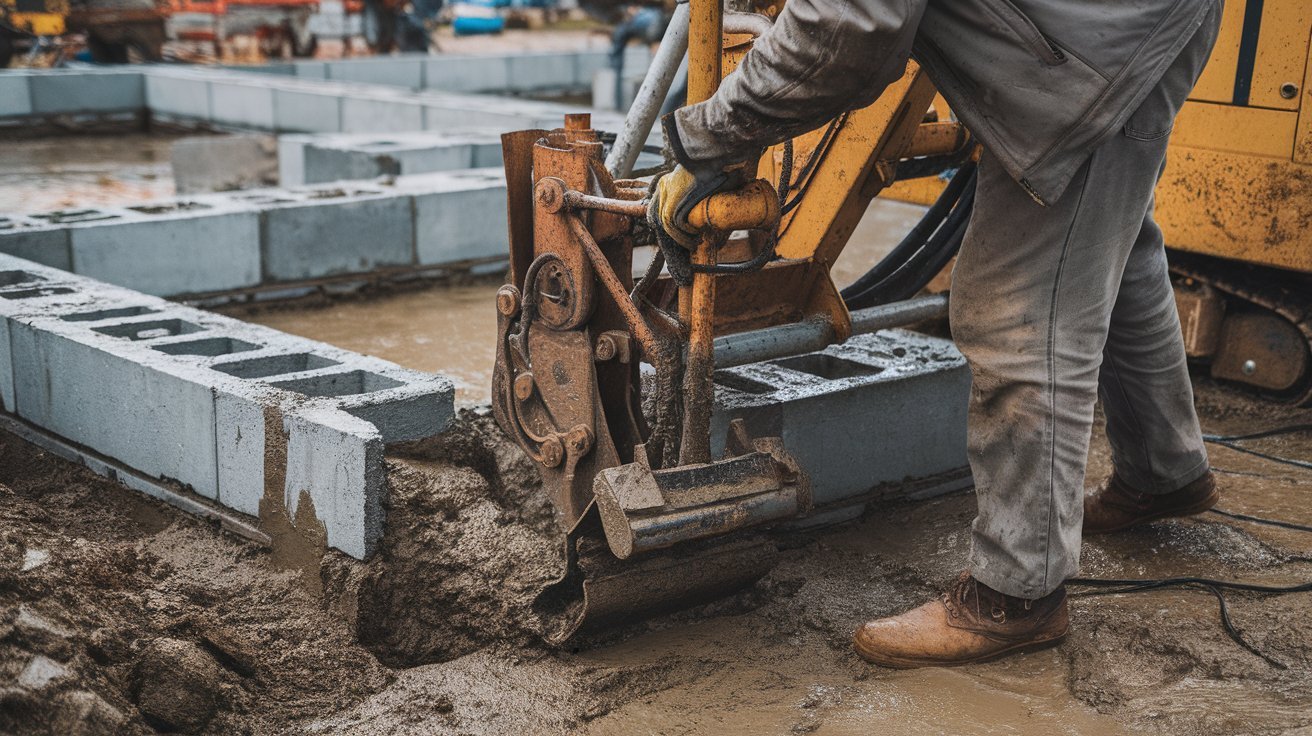
Foundation underpinning repair is a structural repair method used when an existing building’s foundation is no longer adequately supported by the soil beneath it. The process strengthens or extends the foundation so that loads can be transferred safely into stronger, more stable ground. It is often considered when a property develops significant settlement, foundation movement, cracking, or changes in soil conditions.
Underpinning is not simply a matter of adding concrete around an old foundation. The correct solution depends on the cause of movement, soil conditions, foundation type, building loads, groundwater, accessibility, and local construction requirements. In 2026, homeowners are increasingly combining traditional underpinning techniques with modern engineering assessments, structural monitoring, and specialized piling systems to achieve a more controlled repair.
What Is Foundation Underpinning Repair?
Foundation underpinning is a process of strengthening or stabilizing an existing foundation by transferring some or all of its structural load to a deeper or more capable supporting layer. It may also involve extending the foundation to increase its bearing area where the existing soil cannot safely support the building.
A foundation can become inadequate for several reasons. Poor or variable soil, settlement, groundwater changes, nearby excavation, tree-related soil movement, drainage problems, construction defects, or additional building loads can all contribute to foundation problems. In some cases, an older building was constructed on soil that was acceptable when it was built but has become less stable over time.
Typical warning signs include diagonal cracks around doors and windows, widening foundation cracks, uneven floors, sticking doors, gaps between walls and ceilings, sloping floors, and visible movement in masonry. Not every crack means underpinning is necessary. Minor cosmetic cracking can have completely different causes, which is why a professional structural assessment should precede major foundation work.
The objective is not necessarily to make every crack disappear. The objective is to restore structural stability and prevent unacceptable movement from continuing.
Why Does a Foundation Need Underpinning?
The most common reason for underpinning is foundation settlement. Settlement occurs when the ground beneath a building compresses or loses its ability to support the imposed load evenly. If different portions of a building settle at different rates, differential settlement can produce structural distortion.
Soil characteristics are particularly important. Expansive clay can swell when wet and shrink during dry periods, producing repeated movement. Loose or poorly compacted fill can compress under the building. Erosion, leaking water lines, inadequate drainage, or changes in groundwater can also affect soil strength.
Nearby construction and excavation can create another risk. Removing soil next to an existing foundation can alter the support conditions around it. Similarly, a new extension or additional story can increase structural loads beyond what the original foundation was designed to carry.
Underpinning may therefore be considered when:
- Existing foundations are too shallow or inadequate
- Significant differential settlement is occurring
- Soil conditions have deteriorated
- A building is being enlarged or structurally modified
- Excavation is planned close to an existing structure
- Foundation movement threatens structural stability
- Previous foundation repairs have not solved the underlying problem
Importantly, underpinning should address the underlying cause, not just the visible symptoms. Repairing cracks without correcting continuing soil movement can result in recurring damage.
Main Foundation Underpinning Methods
There is no single underpinning technique suitable for every property. Engineers select a method based on the structure and ground conditions.
Mass Concrete Underpinning
Traditional mass concrete underpinning involves excavating beneath or alongside sections of an existing foundation and placing concrete in carefully controlled stages. The work is normally completed in short sequential sections, rather than excavating the entire foundation simultaneously.
This technique can be effective for relatively straightforward buildings where suitable bearing strata are accessible at a reasonable depth. However, excavation beneath an existing structure requires careful temporary support and sequencing.
Mini-Piled Underpinning
Mini piles, sometimes called micropiles, transfer structural loads through piles into deeper, stronger ground. They are particularly useful where suitable bearing soil is located well below the existing foundation or where conventional excavation is difficult.
Mini-piling can also be advantageous in restricted-access locations because specialized drilling equipment can operate in relatively confined spaces. Pile installation can then be connected to the existing structure through beams or other structural elements.
Beam and Pile Underpinning
A beam-and-pile system transfers the building’s load from the existing foundation into reinforced structural beams supported by piles. This can provide a highly controlled solution where settlement is localized or where deeper support is required.
The appropriate configuration depends on structural calculations and the building’s existing load paths.
Resin Injection and Other Ground Improvement
Some foundation problems can be addressed through ground improvement rather than conventional underpinning. Specialized injection techniques can improve or stabilize certain soil conditions and, depending on the system and site, may help reduce voids or localized settlement.
These methods are highly site-specific. They should not automatically be treated as replacements for structural underpinning because their suitability depends on soil composition, moisture conditions, foundation geometry, and the mechanism causing movement.
Foundation Underpinning Repair Process
A successful underpinning project begins with investigation rather than excavation. The first stage normally involves documenting visible damage and determining whether the structure is actually moving.
A structural engineer may inspect cracks, floors, walls, foundations, drainage, and surrounding ground. Depending on the circumstances, soil investigation, trial pits, level monitoring, crack monitoring, or other diagnostic work may be necessary.
Once the cause is understood, the engineer can develop a repair design. This should identify the required underpinning locations, structural loads, excavation sequence, temporary works, materials, drainage considerations, and safety controls.
During construction, underpinning is generally completed in controlled stages. Existing foundations cannot simply be excavated continuously because removing soil beneath a loaded structure can create serious instability.
After the structural work has been completed, excavated areas are restored and drainage or other contributing problems are corrected. Monitoring may continue after the repair to establish whether movement has stabilized.
Foundation Underpinning Cost in 2026
The cost of underpinning varies dramatically because every building and site presents different engineering challenges. There is no reliable universal price per property without understanding the length of foundation requiring repair, underpinning depth, soil conditions, access, structural loads, method selected, labor, permits, engineering requirements, and local construction costs.
Traditional shallow underpinning may be less expensive than a complex mini-piled solution, but a small project can still become costly if access is difficult or temporary structural support is required.
The overall project budget may include:
- Structural engineering fees
- Soil investigations and testing
- Surveys and monitoring
- Planning or building approvals where required
- Excavation and disposal
- Underpinning materials
- Specialist piling or drilling
- Temporary structural support
- Drainage repairs
- Waterproofing
- Foundation and masonry repairs
- Internal finishing work
Homeowners should obtain detailed written quotations rather than choosing a contractor solely on the lowest headline price. A professional quotation should clearly explain what work is included, what engineering documentation is required, and how unforeseen ground conditions will be handled.
Underpinning vs. Other Foundation Repairs
Underpinning is a major intervention and should not automatically be the first choice whenever foundation cracks appear. In some cases, the actual problem may be poor drainage, leaking plumbing, damaged gutters, soil erosion, tree-related moisture changes, or localized masonry deterioration.
Correcting drainage may stabilize a building without underpinning. Similarly, a structural crack may require masonry repair and monitoring rather than foundation reconstruction.
Underpinning becomes more appropriate when investigation demonstrates that the existing foundation cannot adequately support the building under the prevailing ground conditions.
This distinction is crucial because unnecessary underpinning can introduce substantial expense and construction risk. The best repair is the one that solves the demonstrated structural problem with the least invasive appropriate method.
How to Choose a Foundation Underpinning Contractor
Choosing the right professionals is one of the most important decisions in a foundation repair project. We should look for a contractor with documented experience in underpinning, structural stabilization, excavation, and the specific method proposed for the property.
The engineering professional and contractor should understand one another’s responsibilities. Ideally, the repair design should come from an appropriately qualified structural or geotechnical professional, while construction should be performed by a contractor experienced in implementing engineered underpinning schemes.
Before accepting a proposal, homeowners should ask:
- What is causing the foundation movement?
- Is underpinning definitely necessary?
- Which underpinning method is being recommended?
- How deep will the new support extend?
- What engineering calculations and drawings are included?
- How will the building be supported during excavation?
- Are drainage or soil problems also being corrected?
- What warranties or documentation will be provided?
- How will movement be monitored after completion?
- What happens if unexpected ground conditions are discovered?
A credible professional should be able to explain the proposed solution clearly rather than simply recommending extensive work without establishing the underlying cause.
Final Verdict: Is Foundation Underpinning Repair Worth It?
Foundation underpinning repair can be an effective way to stabilize a building when its existing foundation no longer has adequate support. Modern underpinning offers several approaches, from traditional mass concrete sections to mini piles, structural beams, and specialized ground-improvement systems.
The most important principle is diagnosis. Cracks, uneven floors, or sticking doors do not automatically prove that underpinning is necessary. A qualified professional should determine whether the building is experiencing active structural movement and identify the cause before a repair method is selected.
When underpinning is genuinely required, a properly engineered system can transfer loads to more reliable ground, limit further settlement, and protect the long-term structural integrity of a property. The correct method depends on the building, soil, accessibility, and specific failure mechanism.
For 2026, the strongest approach remains straightforward: investigate first, engineer the solution, use controlled construction methods, correct contributing problems such as drainage, and monitor the structure afterward. This approach provides a much stronger foundation for a durable repair than simply treating visible cracks.
Frequently Asked Questions
What is foundation underpinning?
Foundation underpinning is a structural repair technique that strengthens an existing foundation or transfers its loads to deeper or stronger supporting ground.
How do we know if a house needs underpinning?
Significant or progressive differential settlement, structural cracking, foundation movement, and inadequate supporting soil can indicate the need for underpinning. A professional structural assessment is required to determine whether it is actually necessary.
Is underpinning a permanent repair?
A properly designed and constructed underpinning system can provide long-term structural support. Its durability depends on correct diagnosis, engineering design, construction quality, soil conditions, and control of the original cause of movement.
How long does foundation underpinning take?
The duration varies according to the building size, repair method, number of underpinning locations, excavation requirements, access, and ground conditions. Small projects may take considerably less time than complex piled underpinning schemes.
Can foundation cracks be repaired without underpinning?
Yes. If investigation shows that the cracking is caused by drainage, moisture, minor settlement, masonry movement, or another non-critical issue, a less invasive repair may be appropriate.
Does underpinning increase property value?
A properly documented structural stabilization project can provide greater confidence for future owners and buyers, but the effect on property value depends on the property’s condition, local market, repair quality, documentation, and whether movement has been successfully stabilized.
What is the most important step before underpinning?
The most important step is determining why the foundation is moving. Treating the symptom without addressing the underlying soil, drainage, structural, or environmental cause can result in continued problems.
Business
Start Writing LetsBuildUp.org Blog: The Complete 2026 Guide to Blogging, Content Creation, and Building an Engaged Online Community

In today’s digital landscape, blogging remains one of the most effective ways to share ideas, educate audiences, and build a strong online presence. Whether you are an entrepreneur, educator, nonprofit organization, student, freelancer, or hobbyist, creating valuable content can help establish credibility and connect with readers worldwide. Start Writing LetsBuildUp.org Blog represents the journey of creating meaningful, informative, and community-driven content that inspires learning, collaboration, and growth.
As we move through 2026, successful blogs focus not only on publishing articles but also on delivering consistent value, answering readers’ questions, and fostering engagement. This comprehensive guide explores what the LetsBuildUp.org blog can offer, why blogging remains important, and how to create high-quality content that attracts and retains readers.
What Is the LetsBuildUp.org Blog?
The LetsBuildUp.org blog is a content platform designed to publish informative articles that encourage learning, creativity, collaboration, and personal or professional development. Depending on its focus, the blog may cover a wide range of topics that help readers gain practical knowledge and stay informed.
Typical categories may include:
- Educational resources
- Community development
- Technology insights
- Business and entrepreneurship
- Personal growth
- Leadership skills
- Digital marketing
- Career advice
- Productivity tips
- Nonprofit initiatives
- Innovation and creativity
- Lifestyle improvement
By publishing well-researched and reader-focused articles, the blog aims to become a trusted source of valuable information.
Why Start Writing on the LetsBuildUp.org Blog in 2026?
The blogging landscape continues to evolve, but quality content remains at the center of online success. Start Writing LetsBuildUp.org Blog is about creating articles that educate, solve problems, and inspire readers.
Some of the key benefits include:
- Sharing knowledge with a wider audience
- Building authority in a specific niche
- Increasing website visibility
- Encouraging community engagement
- Supporting educational initiatives
- Improving search engine discoverability
- Creating evergreen resources
- Establishing brand credibility
Consistent publishing helps readers return for fresh insights while strengthening the blog’s reputation over time.
Choosing Topics That Readers Value
One of the most important aspects of blogging is selecting subjects that address readers’ interests and needs. The LetsBuildUp.org blog can cover diverse topics while maintaining a consistent focus on informative, practical content.
Popular article ideas include:
Education and Learning
Content can explore:
- Online learning strategies
- Study techniques
- Educational technology
- Skill development
- Lifelong learning
Technology and Innovation
Readers often seek information about:
- Artificial Intelligence
- Productivity software
- Cybersecurity awareness
- Cloud computing
- Digital transformation
Business and Entrepreneurship
Helpful articles may discuss:
- Starting a business
- Financial planning
- Marketing strategies
- Customer engagement
- Leadership development
Community Building
The blog can highlight:
- Volunteer programs
- Local initiatives
- Collaboration opportunities
- Social impact projects
- Community success stories
Publishing content across these categories creates a well-rounded resource for a broad audience.
Best Practices for Writing High-Quality Blog Content
Successful blogs provide value by combining accuracy, readability, and practical advice. Every article should be written with readers in mind rather than simply filling pages with information.
Some essential writing practices include:
Research Thoroughly
Well-researched articles build trust and improve credibility. Writers should verify facts, use reliable sources, and stay updated on current developments.
Create Clear Structure
Organized content is easier to read. Effective articles typically include:
- Engaging introductions
- Descriptive headings
- Informative paragraphs
- Actionable insights
- Helpful conclusions
Use Reader-Friendly Language
Clear, concise writing allows readers of different experience levels to understand complex ideas without confusion.
Offer Practical Solutions
Articles that answer common questions or solve real problems are more likely to provide lasting value.
SEO Strategies for the LetsBuildUp.org Blog
Creating great content is only part of successful blogging. Optimizing articles for search engines helps readers discover valuable information more easily.
Important SEO practices include:
- Using relevant keywords naturally
- Writing descriptive headings
- Creating informative meta descriptions
- Publishing evergreen content
- Updating older articles regularly
- Including internal links between related posts
- Optimizing images for faster loading
- Ensuring mobile-friendly formatting
These techniques improve visibility while maintaining a positive user experience.
How the LetsBuildUp.org Blog Builds an Engaged Community
A successful blog is more than a collection of articles—it is a place where readers return for reliable information and meaningful discussions.
Community engagement can be strengthened through:
- Regular content updates
- Responding to reader feedback
- Publishing practical tutorials
- Sharing success stories
- Encouraging collaboration
- Providing downloadable resources
- Highlighting educational opportunities
- Creating valuable long-form guides
Consistent interaction helps build trust and encourages readers to become loyal followers.
Future Blogging Trends for LetsBuildUp.org in 2026
The blogging industry continues to evolve as technology changes. To remain competitive, blogs should embrace new trends while maintaining content quality.
Emerging trends include:
- AI-assisted content creation
- Interactive articles
- Visual storytelling
- Video integration
- Voice search optimization
- Mobile-first content
- Personalized learning experiences
- Data-driven content strategies
By adapting to these developments, the LetsBuildUp.org blog can continue meeting the changing expectations of modern readers.
Conclusion
Start Writing LetsBuildUp.org Blog represents more than simply publishing articles—it is about creating meaningful content that educates, informs, and inspires. By focusing on high-quality writing, practical advice, reader engagement, and consistent publishing, the blog can become a valuable destination for individuals seeking reliable information across education, technology, business, community development, and personal growth.
As blogging continues to thrive in 2026, platforms that prioritize authenticity, usefulness, and well-structured content will remain successful. Whether you are contributing your first article or expanding an established publication, LetsBuildUp.org provides an opportunity to build knowledge, encourage collaboration, and make a positive impact through informative writing.
Frequently Asked Questions (FAQs)
What is the LetsBuildUp.org blog?
The LetsBuildUp.org blog is a content platform that publishes informative articles focused on education, technology, business, community development, personal growth, and practical knowledge.
Why should someone start writing for the LetsBuildUp.org blog?
Writing for the blog helps share expertise, build credibility, educate readers, strengthen online visibility, and contribute valuable knowledge to a growing community.
What topics can be published on the LetsBuildUp.org blog?
The blog can feature technology, education, entrepreneurship, leadership, productivity, nonprofit initiatives, innovation, digital marketing, career advice, and community development.
How can the LetsBuildUp.org blog attract more readers?
By publishing well-researched articles, optimizing content for search engines, updating posts regularly, maintaining a consistent publishing schedule, and providing practical solutions.
Why is blogging still important in 2026?
Blogging remains a powerful way to educate audiences, establish authority, improve website visibility, support communities, generate organic traffic, and build long-term relationships with readers.
Business
In Touch LetsBuildup org: A Complete Guide to the Platform, Community, and Digital Resources in 2026

In Touch LetsBuildup org is a phrase associated with the digital community and online resources available through the LetsBuildup org platform. In 2026, the term “in touch” reflects the central idea of staying connected with people, ideas, opportunities, and information in an increasingly digital world. Online platforms that focus on community participation and knowledge sharing can help users discover resources, follow updates, communicate with others, and participate in broader conversations.
The exact meaning of a search phrase such as “in touch letsbuildup org” can depend on the context in which it appears. Some visitors may be searching for the website itself, while others may be looking for articles, community initiatives, digital resources, or ways to remain connected with the platform. The most useful way to understand the phrase is to view it as a reference to online connection, community engagement, personal development, and digital participation.
In an era when people increasingly depend on online platforms for information and networking, staying “in touch” has become more than simply receiving updates. It can mean building relationships, sharing knowledge, finding opportunities, and becoming part of a community with common interests.
The Meaning Behind “In Touch” and LetsBuildup.org
The phrase “in touch” represents communication and ongoing connection. For an online platform, this can include keeping users informed through articles, updates, newsletters, social media, events, or community discussions. The phrase “LetsBuildup” also suggests a constructive approach focused on progress, collaboration, and development.
Together, the concept can be understood as encouraging people to remain connected while working toward personal or community growth. In the modern digital environment, platforms that bring people together can support several activities, including learning, networking, collaboration, awareness, and resource sharing.
Digital communities are particularly valuable because they can connect people who may live in different cities or countries. A person can discover information, participate in discussions, or learn from other people without needing to be physically present in the same location.
Community Engagement in the Digital Age
One of the most important ideas associated with in touch letsbuildup org is the value of community engagement. Online communities provide spaces where people can exchange ideas and support one another around shared interests.
A strong digital community may include educational resources, discussion opportunities, announcements, guides, and content created for different audiences. Community engagement is not limited to reading information; it also involves participation. Users may contribute comments, share resources, attend online events, follow updates, or connect with others.
In 2026, digital communication continues to influence education, professional networking, entrepreneurship, social initiatives, and personal development. As a result, online platforms can serve as important bridges between people and opportunities.
The most effective community websites focus on making information accessible and encouraging users to take meaningful action. Whether the goal is learning a new skill, finding useful resources, building professional relationships, or participating in a shared initiative, digital platforms can help reduce barriers to connection.
Resources, Information, and Personal Development
A platform connected with the LetsBuildup.org concept can also be viewed as a source of information and personal development resources. Online resources may help individuals improve their knowledge, explore new interests, and identify practical opportunities.
Personal development can take many forms. Some people focus on professional skills, while others are interested in communication, leadership, entrepreneurship, technology, creativity, or community involvement. A digital platform can provide articles, recommendations, educational materials, and discussions that help users explore these areas.
The greatest value of online information comes from applying it in real life. Reading an article is only the first step. Users can gain more value by evaluating information carefully, practicing new ideas, asking questions, and connecting with people who have relevant experience.
The “LetsBuildup” concept naturally fits this approach because building something meaningful usually requires continuous learning and collaboration. Progress can be gradual, but consistent effort can produce significant results over time.
Why Staying “In Touch” Matters in 2026
The need to stay connected has become especially important in 2026. Technology changes quickly, professional opportunities increasingly depend on digital networks, and important information can spread across multiple platforms.
People who remain connected to reliable communities may find it easier to discover new opportunities, educational resources, industry developments, and useful contacts. This does not mean following every online trend. Instead, it means developing a thoughtful network of sources and relationships that provide genuine value.
Staying in touch can also support collaboration. A business owner may connect with a potential partner, a student may find educational guidance, and a professional may discover a career opportunity through a digital community.
At the same time, online engagement should be balanced with careful information habits. Users should evaluate the reliability of content, protect their privacy, and avoid sharing sensitive personal information unnecessarily. Being connected is valuable, but being informed and safe is equally important.
How Users Can Get More Value from LetsBuildup.org
People searching for in touch letsbuildup org can approach the platform by first identifying what they want to achieve. A clear goal makes online participation more useful.
For example, someone interested in learning may look for educational content and guides. A person seeking professional opportunities may focus on networking and community discussions. Someone interested in social initiatives may look for projects, announcements, or ways to participate.
Users can also benefit from regularly checking for new content and following official updates. However, they should confirm that they are using the correct official website or account, particularly when similar names or unofficial pages appear in search results.
A practical approach includes exploring relevant resources, participating respectfully, verifying important information, and building genuine connections. These habits can help transform a website from a place to browse into a useful part of a person’s digital routine.
The Future of Online Community Platforms
The future of digital communities is likely to involve greater integration between websites, social networks, video, online events, artificial intelligence, and personalized content. Users increasingly expect platforms to provide information quickly while also creating opportunities for interaction.
For community-focused platforms, the challenge will be maintaining trust and meaningful engagement. A large audience is not enough by itself. Quality information, genuine participation, accessibility, and responsible digital practices will remain important.
The LetsBuildup.org concept fits into this wider development because modern online communities are increasingly focused on building connections and creating practical value. Whether through information, collaboration, education, or networking, digital platforms can help people move from passive consumption toward active participation.
Conclusion
In Touch LetsBuildup org represents the broader idea of digital connection, community participation, knowledge sharing, and personal growth. In 2026, online platforms continue to play an important role in helping people communicate, learn, collaborate, and discover opportunities.
The concept of staying “in touch” has evolved beyond simply receiving messages. Today, it can involve joining communities, following useful resources, participating in discussions, developing professional relationships, and contributing to shared goals. The “LetsBuildup” idea further emphasizes progress and constructive collaboration.
For anyone searching for in touch letsbuildup org, the most important takeaway is the value of meaningful digital engagement. Users can gain the greatest benefit by exploring relevant resources, participating actively, verifying information, protecting privacy, and building genuine connections. As digital communities continue to develop, platforms focused on connection and growth will remain an important part of the modern online experience.
Frequently Asked Questions About In Touch LetsBuildup org
What does “in touch letsbuildup org” mean?
“In touch letsbuildup org” is a search phrase associated with staying connected to the LetsBuildup.org platform and its potential community, information, and digital resources.
What is the purpose of staying in touch with an online platform?
Staying connected can help users discover new information, updates, resources, opportunities, and community discussions.
Who can benefit from online community platforms?
Students, professionals, entrepreneurs, creators, organizations, and general users can benefit from platforms that support learning, networking, communication, and collaboration.
How can users participate in an online community?
Users may participate by reading content, following updates, sharing useful information, joining discussions, attending events, and connecting respectfully with other members.
Is online information always reliable?
No. Users should evaluate sources carefully and verify important information through reliable and authoritative sources before making significant decisions.
Why is digital connection important in 2026?
Digital connection helps people access education, professional networks, communities, opportunities, and information regardless of geographic location.

Alpha M: Aaron Marino’s Guide to Men’s Style, Grooming, Fitness, and Confidence in 2026

Milking Shorthorn Cattle: Complete Guide to History, Characteristics, Milk Production, and Farming

2025 Hyundai Sonata N Line: Complete Guide to Performance, Features, and Specs

FitFlop: The Ultimate Guide to Comfortable, Stylish, and Supportive Footwear

Paula Gosselaar: The Life, Family Background, and Influence Behind Mark-Paul Gosselaar’s Success

Hart Bochner: Biography, Movies, TV Shows, Directing Career, and Lasting Hollywood Legacy
 Fashion3 months ago
FitFlop: The Ultimate Guide to Comfortable, Stylish, and Supportive Footwear
- Celebrity2 months ago
Paula Gosselaar: The Life, Family Background, and Influence Behind Mark-Paul Gosselaar’s Success
- Celebrity2 months ago
Hart Bochner: Biography, Movies, TV Shows, Directing Career, and Lasting Hollywood Legacy
- Celebrity2 months ago
Barbara Cameron: Biography, Career, Achievements, and Lasting Legacy
- Celebrity2 months ago
Kacy Byxbee: Everything to Know About the Costume Designer, Career, Relationship, and Private Life
- Celebrity2 months ago
Susan Duff: A Look at Her Life, Family, Career, and Lasting Legacy
- Celebrity2 months ago
Hilary Gumbel: Everything to Know About Bryant Gumbel’s Wife, Career, Family, and Private Life
- Celebrity3 months ago
Bill Cusack: A Comprehensive Look at His Career, Influence, and Lasting Legacy