
Blog
CK2GeneratorCom Guide 2026 | Character Generation, Strategy Gaming & Creative Campaign Resources


The world of grand strategy gaming continues to grow, and players are constantly searching for tools that enhance gameplay, improve storytelling, and simplify character creation. CK2GeneratorCom has become a topic of interest among strategy game enthusiasts looking for resources related to Crusader Kings II (CK2), character generation, role-playing ideas, and game customization.
In this comprehensive 2026 guide, we explore what CK2GeneratorCom is associated with, its potential uses, the advantages it offers to strategy gamers, and how modern digital tools like ChatGPT, Meta, Picfont, and 11zon Image Compressor can help content creators, gaming communities, and website owners build engaging gaming resources.
What Is CK2GeneratorCom?
CK2GeneratorCom is commonly associated with resources designed for players of Crusader Kings II (CK2), one of the most popular grand strategy games ever created. The platform is linked to ideas such as character generation, random scenario creation, dynasty planning, role-playing inspiration, and gaming utilities that make each campaign feel unique.
Rather than repeating the same gameplay every time, players often seek tools that generate fresh characters, unusual family histories, custom rulers, or creative starting conditions. This approach increases replay value and encourages imaginative storytelling within the game’s medieval setting.
In 2026, gaming communities continue to value platforms like CK2GeneratorCom because they help players experiment with new strategies, explore alternative narratives, and personalize their gaming experience.
Why CK2GeneratorCom Is Popular Among Strategy Gamers
One of the defining strengths of grand strategy games is the freedom they provide. Players are not limited to a single storyline but instead create their own history through diplomacy, warfare, alliances, and succession planning.
CK2GeneratorCom supports this creativity by offering ideas and tools that inspire new campaigns. Instead of starting with familiar rulers or predictable scenarios, users can experiment with generated characters, custom dynasties, and unexpected political situations.
Key reasons for its growing popularity include:
- Unique character generation
- Fresh campaign ideas
- Role-playing inspiration
- Creative dynasty creation
- Enhanced replay value
- Custom storytelling opportunities
- Support for gaming communities
- Easy access to planning resources
These features encourage players to approach every campaign from a different perspective.
Key Features of CK2GeneratorCom
A useful gaming resource should simplify preparation while expanding creative possibilities. CK2GeneratorCom is valued because it helps players quickly develop interesting game scenarios without spending hours planning every detail manually.
Random Character Generator
One of the most attractive features is the ability to generate unique rulers with different personalities, traits, backgrounds, and ambitions. Every generated character can inspire a completely different style of gameplay.
Dynasty Creation Ideas
Building a successful dynasty is central to Crusader Kings II. Resources related to CK2GeneratorCom often help players create original family histories, noble houses, and succession stories that add depth to each campaign.
Scenario Inspiration
Instead of beginning every game in the same way, generated scenarios encourage players to face unexpected political challenges, economic struggles, or diplomatic conflicts.
Role-Playing Support
Many players enjoy creating personal narratives alongside strategic gameplay. Character backgrounds and generated events help transform ordinary campaigns into memorable stories.
Creative Challenge Modes
Random objectives, unusual rulers, or difficult starting positions introduce additional challenges that keep experienced players engaged.
How ChatGPT, Meta, Picfont, and 11zon Support Gaming Content
Gaming communities increasingly rely on digital tools to create guides, share screenshots, and communicate with other players. Several modern platforms complement resources like CK2GeneratorCom.
ChatGPT
ChatGPT assists gamers, bloggers, and community managers by generating:
- Strategy guides
- Character biographies
- Dynasty histories
- Campaign journals
- Frequently Asked Questions
- Role-playing dialogue
- Website articles
- Community announcements
It significantly reduces the time needed to produce high-quality written content.
Meta
Gaming communities frequently use Meta platforms to:
- Organize discussion groups
- Promote tournaments
- Share screenshots
- Publish strategy tips
- Host live streams
- Build active gaming communities
These platforms make it easier for players worldwide to exchange ideas and experiences.
Picfont
Visual presentation is important for gaming websites and social media pages. Picfont allows users to create professional-looking graphics by adding custom text to game screenshots.
Popular uses include:
- Thumbnail images
- Strategy guides
- Character profiles
- Event promotions
- Community announcements
- Gaming banners
Eye-catching visuals help increase reader engagement and social sharing.
11zon Image Compressor
Gaming screenshots are often large files that slow website performance. 11zon Image Compressor reduces image sizes while preserving visual quality.
Benefits include:
- Faster website loading
- Better mobile browsing
- Reduced storage usage
- Improved page performance
- Enhanced user experience
Optimized images contribute to smoother browsing and better overall website efficiency.
Best Practices for Creating Better CK2 Campaigns
Successful campaigns often combine strategic planning with creative storytelling. Players using resources like CK2GeneratorCom can enhance their experience by following several proven practices.
Develop Detailed Character Backgrounds
Creating a believable history for each ruler adds emotional depth and makes decision-making more immersive.
Set Personal Campaign Goals
Instead of focusing only on world conquest, players can create objectives such as restoring a fallen dynasty, spreading a specific culture, or building lasting alliances.
Embrace Random Challenges
Unexpected events often create the most memorable stories. Accepting generated scenarios encourages adaptability and strategic thinking.
Document Campaign Progress
Many players enjoy recording major events, family trees, wars, and diplomatic achievements throughout their campaigns.
Experiment with Different Playstyles
Generated rulers with varying personalities encourage new approaches to diplomacy, warfare, religion, and succession.
Future Trends for CK2GeneratorCom in 2026
Although gaming technology continues evolving, strategy communities remain highly active. Several trends are expected to influence platforms like CK2GeneratorCom throughout 2026.
AI-Assisted Character Creation
Artificial intelligence can generate increasingly detailed rulers, complete with personalities, motivations, and historical backgrounds.
Expanded Community Collaboration
Players continue sharing custom scenarios, dynasty challenges, and role-playing campaigns through online communities.
Interactive Storytelling
Narrative-focused gameplay remains one of the strongest attractions of grand strategy games.
Content Creation Growth
Gaming websites, YouTube creators, and bloggers continue producing tutorials, walkthroughs, and campaign stories supported by tools like ChatGPT.
Improved Visual Content
Optimized screenshots, custom graphics created with Picfont, and compressed images using 11zon Image Compressor improve website performance and audience engagement.
Conclusion
CK2GeneratorCom represents a valuable concept for strategy gaming enthusiasts who enjoy creative character generation, immersive role-playing, dynasty building, and unique campaign experiences. By encouraging fresh ideas and personalized storytelling, it helps players maximize the replay value of Crusader Kings II while exploring countless alternative histories.
When combined with modern digital tools such as ChatGPT for content creation, Meta for community engagement, Picfont for visually appealing graphics, and 11zon Image Compressor for efficient image optimization, gaming communities can build professional-quality resources that educate, entertain, and inspire players around the world.
As strategy gaming continues to evolve in 2026, CK2GeneratorCom remains associated with creativity, innovation, and a richer gaming experience for both new and experienced players.
Frequently Asked Questions
What is CK2GeneratorCom?
CK2GeneratorCom is associated with resources and ideas for Crusader Kings II, including character generation, dynasty creation, campaign inspiration, and role-playing support.
Who can benefit from CK2GeneratorCom?
Strategy gamers, content creators, bloggers, role-playing enthusiasts, and Crusader Kings II players looking for fresh campaign ideas can benefit from it.
How does ChatGPT help gaming communities?
ChatGPT can generate strategy guides, campaign stories, character biographies, FAQs, website articles, and social media content efficiently.
Why should gaming screenshots be optimized?
Compressing screenshots with 11zon Image Compressor improves website speed, reduces storage requirements, and enhances the browsing experience.
How does Picfont improve gaming content?
Picfont helps create attractive thumbnails, gaming banners, strategy graphics, and promotional images by adding professional text overlays to screenshots.
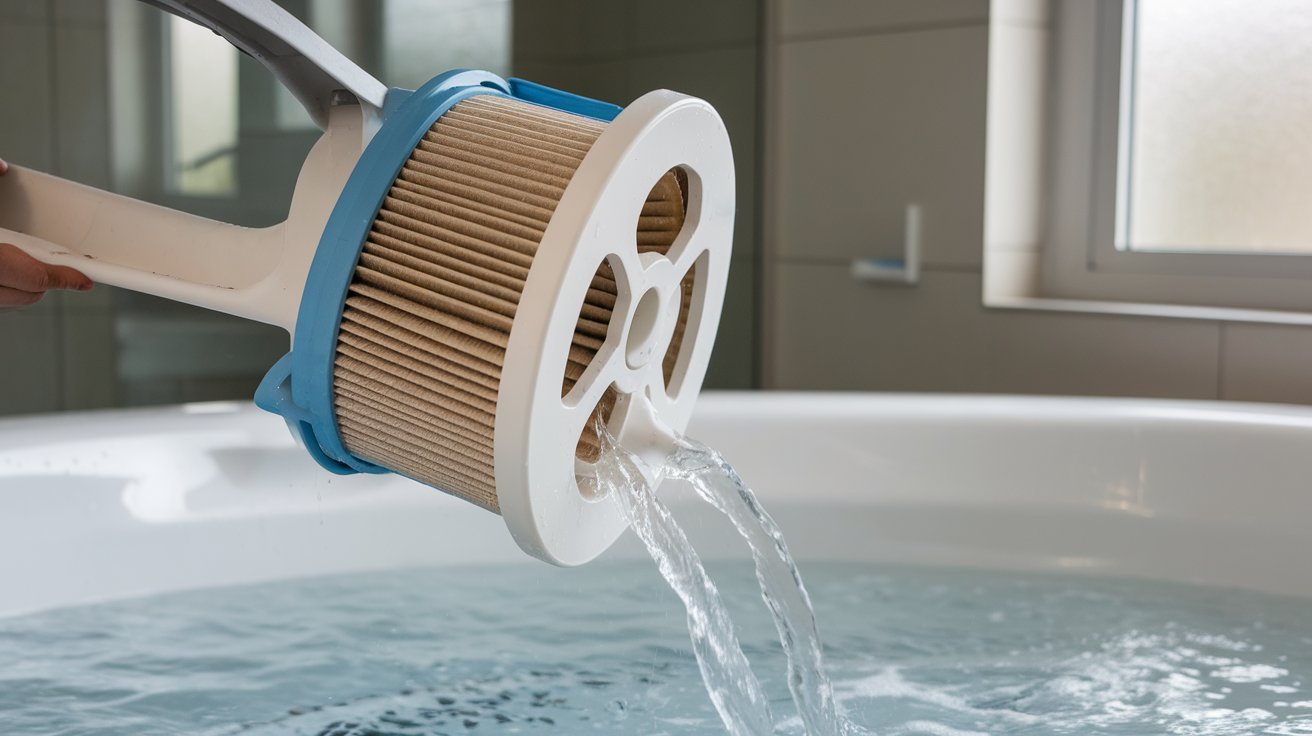
Replace Whirlpool filter is an important part of maintaining clean, fresh-tasting water and keeping a compatible Whirlpool appliance working properly. Whether the filter is installed in a refrigerator, ice maker, or another Whirlpool water-filtration system, regular replacement helps maintain filtration performance and water quality. A filter that has reached the end of its useful life may become less effective and can affect the taste, smell, and flow of water.
The good news is that most Whirlpool filter replacements can be completed without special tools. The exact procedure depends on the Whirlpool appliance model and filter type, but the basic process involves identifying the correct replacement, removing the old filter, installing the new one correctly, flushing the system, and resetting the filter indicator when applicable.
When Should We Replace a Whirlpool Filter?
The replacement interval depends on the appliance, water usage, and filter design. Many Whirlpool refrigerator filters are designed to be replaced approximately every six months, although the appliance’s owner’s manual and filter indicator should be treated as the primary references.
We should replace the filter sooner when the refrigerator or filtration system shows signs that the filter is becoming exhausted. Common signs include:
- Water tastes or smells different
- Water flow becomes noticeably slower
- The filter indicator changes color or displays a replacement message
- Ice develops an unusual taste or odor
- The filter has reached its manufacturer’s recommended service interval
- The appliance has experienced a significant change in water quality
A filter can still look clean externally while its internal filtration media is becoming saturated. For that reason, appearance alone is not a reliable way to determine whether replacement is necessary.
How to Find the Correct Whirlpool Replacement Filter
Before removing the existing filter, we should identify the exact replacement filter required for the Whirlpool appliance. Using the wrong filter can result in poor filtration, leakage, or an improperly fitted cartridge.
The easiest starting point is the old filter. Many Whirlpool filters have a model or part number printed directly on the cartridge. We can also check the refrigerator’s owner’s manual or the appliance’s model information.
The refrigerator model number is particularly useful because Whirlpool has produced appliances with several different filter configurations. Two refrigerators that look similar can require different filter cartridges.
When purchasing a replacement, we should verify:
- The filter model or part number
- Compatibility with the exact appliance
- Installation style
- Certification or filtration specifications
- Manufacturer recommendations
- Whether the replacement is genuine or an approved compatible product
Avoid selecting a filter simply because it physically resembles the old cartridge. Correct compatibility matters more than appearance.
How to Replace a Whirlpool Refrigerator Water Filter
Once the correct filter is available, we can begin the replacement. Before starting, it is useful to have a clean towel nearby because a small amount of water may escape during removal.
1. Locate the Existing Filter
Whirlpool refrigerators use different filter locations depending on the model. The filter may be located inside the refrigerator compartment, behind a cover, near the bottom grille, or in another designated filtration housing.
Look for a cartridge-shaped component or a compartment marked Water Filter.
2. Open the Filter Compartment
If the filter is behind a cover, gently open the cover according to the appliance design. We should avoid forcing the housing because plastic components can become brittle over time.
Some Whirlpool filter systems use a push-release mechanism, while others use a twist mechanism.
3. Remove the Old Filter
The removal procedure depends on the cartridge style.
For a push-style filter, we generally press the filter inward and then pull it outward. For a twist-style filter, we turn the cartridge in the direction indicated by the housing before pulling it out.
If the filter does not move easily, we should check the installation markings rather than applying excessive force. A cartridge that is difficult to remove may be under pressure or incorrectly positioned.
4. Prepare the New Filter
Remove all protective packaging from the replacement cartridge. Some filters have a protective cap or seal that must be removed before installation.
We should inspect the filter for visible damage and confirm that its connectors and sealing surfaces are clean.
5. Install the New Whirlpool Filter
Insert the replacement cartridge into the filter housing. Align the filter carefully with the guides or connector.
For a push-style design, press the cartridge firmly into position until it is seated. For a twist-style design, rotate it until the locking mechanism engages.
A properly installed filter should sit securely without excessive movement. Never operate the water system with a filter that has not fully locked into position.
Flushing the New Whirlpool Water Filter
A new filter should generally be flushed before drinking the filtered water. Flushing removes trapped air and can clear fine carbon particles or manufacturing residue from the filtration media.
The amount of water required varies by filter and appliance. We should follow the instructions supplied with the replacement filter and the Whirlpool owner’s documentation.
During the first few uses, the water may appear slightly cloudy because of air in the system. This does not necessarily indicate a defective filter. Continue the recommended flushing procedure until the water runs normally.
We should also check carefully around the filter housing for leaks. If water is leaking, the filter may not be seated correctly, the housing may not be fully closed, or the cartridge may be incompatible.
How to Reset the Whirlpool Filter Indicator
Many Whirlpool refrigerators have a filter status indicator that reminds us when the cartridge needs replacement. Installing a new filter does not always reset this indicator automatically.
The reset procedure varies by refrigerator model. Depending on the appliance, we may need to press and hold a designated button such as the filter reset control for several seconds.
Because Whirlpool has used different control panels over the years, the owner’s manual provides the most accurate instructions for a particular refrigerator.
After resetting the indicator, we should confirm that the display or light has returned to its normal status.
If the indicator does not reset, avoid repeatedly pressing random controls. Instead, check the model-specific instructions because the required button combination can vary.
Common Problems After Replacing a Whirlpool Filter
A properly installed filter should allow the water system to operate normally. If problems occur after replacement, several basic checks can help.
Low Water Flow
Low flow can result from an incorrectly installed cartridge, trapped air, a filter that is not fully seated, or another restriction in the water system.
Remove and reinstall the filter according to the manufacturer’s instructions. If the problem remains, the refrigerator’s water supply should also be checked.
Water Tastes Unusual
A new carbon filter can initially produce a slight taste that disappears after proper flushing. If the taste persists, verify that all packaging was removed and that the filter is the correct model.
Filter Leaking
A leak commonly indicates that the cartridge is not correctly seated or locked. We should remove it, inspect the sealing area, and reinstall it carefully.
If leakage continues with a compatible, correctly installed filter, the filter housing or connector may require inspection.
Filter Will Not Install
Do not force the cartridge. Check that the replacement is the correct filter and that it is aligned properly with the housing. A filter designed for a different Whirlpool model may look similar while having incompatible connections.
Tips for Maintaining a Whirlpool Water Filter System
Regular maintenance can make filter replacement easier and help maintain consistent water quality. We should keep the filter compartment clean and follow the recommended replacement schedule rather than waiting until water quality becomes noticeably poor.
It is also useful to keep a record of the filter replacement date. A simple reminder on a phone or calendar can prevent the cartridge from being forgotten.
If the refrigerator is used heavily, the filter may reach its capacity faster than in a household with low water consumption. Water quality also varies by location, so actual filter life can differ.
We should always follow the manufacturer’s recommendations for the specific appliance instead of assuming that every Whirlpool filter has the same service life.
Frequently Asked Questions About Replacing a Whirlpool Filter
How often should we replace a Whirlpool refrigerator filter?
Many Whirlpool refrigerator filters are commonly replaced about every six months, but the exact interval depends on the model, filter, water usage, and manufacturer instructions.
Do we need to turn off the refrigerator before replacing the filter?
Usually, the refrigerator does not need to be completely powered off for a normal filter change. However, we should follow the instructions for the specific Whirlpool model and handle the water connection carefully.
Why is the water cloudy after installing a new filter?
Cloudy-looking water can be caused by air trapped in the new filter or water line. Proper flushing usually resolves the issue.
Why is my Whirlpool filter leaking after replacement?
The cartridge may not be fully seated or locked into position. Remove it and reinstall it carefully. If the leak continues, verify that the replacement filter is compatible with the appliance.
Do we have to reset the Whirlpool filter light?
If the refrigerator has a filter indicator, resetting it is generally necessary so the appliance can accurately track the next replacement interval. The exact reset procedure depends on the model.
Can we use any water filter that fits a Whirlpool refrigerator?
No. Physical fit alone does not guarantee compatibility or filtration performance. We should use the correct filter specified for the refrigerator model.
What should we do if the new filter does not fit?
We should not force it. Check the filter part number and refrigerator model, then confirm that the replacement cartridge is designed for that particular filtration system.
Is flushing a new Whirlpool filter necessary?
Flushing is generally recommended because it helps remove trapped air and initial carbon particles. We should follow the flushing volume and procedure provided with the specific filter.
Final Thoughts
A replace Whirlpool filter is a straightforward maintenance task when we use the correct cartridge and follow the proper installation procedure. Identifying the exact filter, removing the old cartridge carefully, installing the new one securely, flushing the system, checking for leaks, and resetting the filter indicator are the key steps.
By replacing the filter on the recommended schedule, we can help maintain fresh-tasting water, reliable water flow, and consistent filtration performance. Most importantly, we should always verify the filter model and appliance-specific instructions before beginning the replacement.
Blog
Drain Pump Filter on LG Washing Machine: Location, Cleaning, Problems, and 2026 Maintenance Guide
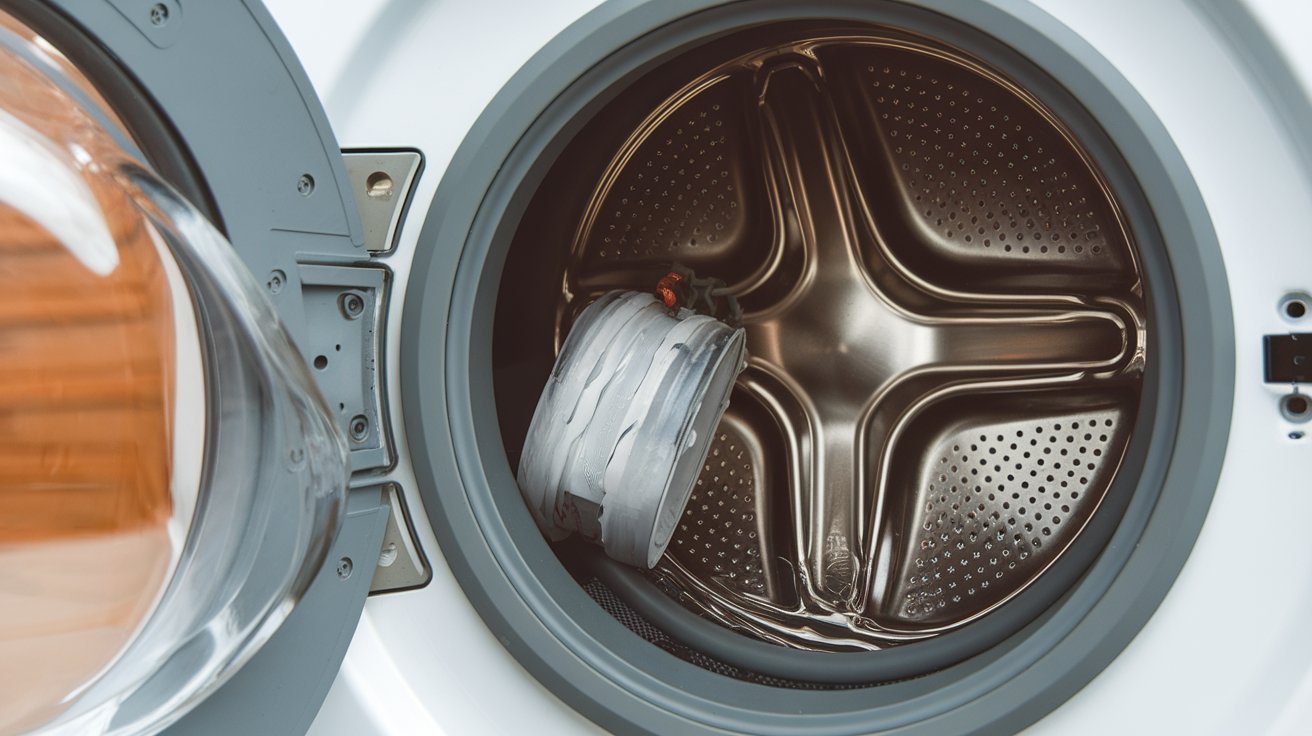
The Drain Pump Filter on LG Washing Machine plays an important role in keeping wastewater flowing out of the washer. It catches small foreign objects such as lint, coins, buttons, hair, and other debris before they can interfere with the drain pump. A clogged filter can contribute to slow draining, standing water, unpleasant odors, or an OE drainage error.
LG’s current support guidance recommends cleaning the drain pump filter at least once a month on applicable models. The filter is found on LG front-load washers and washer-dryer combo units, while LG notes that it is not present on its top-load washers.
Regular maintenance is therefore an important part of keeping an LG washer operating properly in 2026.
Where Is the Drain Pump Filter on an LG Washing Machine?
On most applicable LG front-load washing machines, the drain pump filter is located behind a small service or access panel at the bottom front of the washer. On many models, this panel is toward the lower-left corner, although LG notes that the exact location can vary by model.
Behind the panel, we typically find two important components:
- A residual-water drain hose
- The drain pump filter
The small drain hose is used to remove water remaining inside the washer before the filter is unscrewed. This is important because opening the filter while water remains in the tub can result in a substantial amount of water spilling onto the floor. LG also warns that the remaining water can be hot, depending on the wash cycle.
Because LG produces many different washer models, the appearance of the access panel and filter assembly can differ. The owner’s manual for the exact model should therefore be treated as the final reference when the layout differs from the standard design.
What Does the LG Drain Pump Filter Do?
The drain pump filter is designed to catch foreign objects and debris that could otherwise restrict water flow or interfere with the drain pump.
During washing, small objects can accidentally remain in pockets or become separated from clothing. Items such as coins, buttons, lint, threads, hair, and other debris can eventually reach the drainage system. The filter helps prevent these materials from causing problems farther inside the pump.
LG explains that items trapped in the drain pump can restrict drainage and hinder washer performance. The company recommends checking and cleaning the filter regularly, with monthly cleaning being the general maintenance recommendation. More frequent cleaning may be appropriate depending on how often the washer is used.
A clean filter helps the washer remove wastewater efficiently at the appropriate stage of the cycle.
How to Clean the Drain Pump Filter on an LG Washing Machine
Cleaning the LG drain pump filter is generally straightforward, but we should prepare for residual water before opening the filter.
Step 1: Turn Off and Unplug the Washer
Press the power button and disconnect the washing machine from the electrical outlet before beginning maintenance. LG’s manuals specifically instruct users to unplug the appliance before cleaning the drain pump filter.
Make sure the drum is empty.
Step 2: Open the Service Panel
Locate the service panel at the bottom front of the washer and open it. On many LG front-load models, the panel is positioned near the lower-left portion of the machine.
Step 3: Drain the Remaining Water
Place a shallow pan, bowl, or suitable container beneath the residual-water hose.
Carefully pull the hose forward without extending it excessively. LG warns that pulling the hose too far can cause it to kink and prevent water from draining properly. Remove the cap and allow the remaining water to flow into the container.
Use caution because the water may still be hot.
Step 4: Remove the Pump Filter
Once the residual water has drained, turn the pump filter counterclockwise to remove it. Keep a towel nearby because a small amount of additional water may escape when the filter is removed.
Step 5: Clean the Filter
Remove visible lint, hair, coins, threads, and other debris.
LG recommends cleaning the filter with warm water and a soft-bristle brush. The filter opening and surrounding base should also be cleaned carefully to remove accumulated debris.
Do not place the pump filter in a dishwasher. LG specifically advises cleaning it manually with appropriate tools.
Step 6: Reinstall Everything Correctly
Replace the residual-water hose cap and secure the hose back into its original position.
Then insert the drain pump filter and turn it clockwise until it stops. It should be properly threaded and tightened. Finally, close the service panel.
Correct reassembly is essential. LG warns that operating the washer with the filter incorrectly installed or without the filter can cause leaks or malfunction.
Signs the LG Drain Pump Filter Needs Cleaning
A dirty or clogged filter can produce several noticeable symptoms. One of the most common is slow drainage. Water may remain in the drum longer than expected, or the washer may stop before completing the cycle.
Another important warning sign is the OE error code. LG identifies a clogged drain pump filter as one possible cause of an OE water-outlet error. However, the filter is not the only possible cause.
Other symptoms can include:
- Water remaining in the drum
- A wash cycle stopping during draining
- Drainage taking unusually long
- Debris or lint accumulating around the filter
- Unusual odors associated with stagnant water
- Drain pump noise without effective water removal
- An OE error appearing on the display
If the filter is clean but the washer continues to experience drainage problems, the issue may involve the drain hose, household drain, excessive suds, frozen plumbing, or the drain pump itself. LG identifies kinked or compressed hoses and excessive suds among other possible causes of drainage problems.
How Often Should We Clean an LG Drain Pump Filter?
For applicable LG front-load washers, monthly cleaning is a useful general maintenance schedule. LG’s 2026 support guidance recommends cleaning the drain pump filter monthly, while noting that more frequent cleaning may be necessary depending on usage.
Homes that run many washing cycles may need to inspect the filter more frequently. We should also check it promptly if the washer begins draining slowly or displays an OE error.
Drain-filter maintenance should be combined with other washer-care tasks. LG recommends regular Tub Clean cycles, cleaning the detergent dispenser, and wiping the door and gasket to help maintain the machine. Its September 2026 guidance specifically recommends cleaning the drain pump filter, detergent dispenser, inlet filters, and door gasket as part of regular washer maintenance.
What to Check if Cleaning the Filter Does Not Fix an OE Error
Cleaning the drain pump filter is an important first step, but an OE error can have multiple causes.
First, inspect the drain hose for kinks, compression, or improper positioning. LG notes that a restricted or improperly installed hose can prevent water from leaving the washer efficiently.
Next, consider excessive detergent suds. LG explains that too many suds can create air pockets and interfere with the drain pump’s ability to remove water effectively. Running a Tub Clean cycle and reducing detergent use may help when excessive suds are involved.
If the filter is clean, the hose is unobstructed, and the problem continues, professional service may be necessary. LG indicates that if the drain pump does not operate properly, repair service may be required.
2026 LG Drain Pump Filter Maintenance Checklist
| Maintenance Task | Recommended Action |
|---|---|
| Drain pump filter | Clean monthly |
| Residual-water hose | Inspect for damage and proper installation |
| Filter opening | Remove lint and debris |
| Drain hose | Check for kinks or compression |
| Door gasket | Wipe and clean regularly |
| Detergent dispenser | Clean periodically |
| Tub Clean cycle | Run according to the model’s instructions |
| OE error | Check filter, hose, suds, and drainage system |
The drain pump filter on an LG washing machine is a small component with an important job. Keeping it clean helps reduce the possibility of drainage restrictions caused by accumulated debris and allows the washer’s drainage system to operate as intended.
For most applicable LG front-load washers and combo units, the basic process is simple: turn off and unplug the washer, open the service panel, drain residual water, remove the filter, clean it with warm water and a soft brush, inspect the filter opening, and reinstall everything securely.
The exact design varies between models, so the specific LG owner’s manual should always take priority if its instructions differ. Regular monthly inspection, combined with proper hose and tub maintenance, can help keep an LG washing machine draining efficiently throughout 2026.

The 2025 Hyundai Sonata N Line is a sporty midsize sedan designed for drivers who want stronger performance without giving up the comfort and practicality expected from a daily-use family car. With a 290-horsepower turbocharged engine, an eight-speed wet dual-clutch transmission, aggressive styling, modern technology, and a well-equipped cabin, the N Line occupies a distinctive position in the 2025 Sonata lineup.
Hyundai lists the 2025 Sonata N Line with a starting MSRP of $35,500, before freight, taxes, title, and licensing charges. It also carries an EPA-estimated 23 mpg city, 32 mpg highway, and 27 mpg combined rating.
2025 Hyundai Sonata N Line Engine and Performance
The biggest reason to consider the 2025 Hyundai Sonata N Line is its powertrain. Under the hood is a 2.5-liter turbocharged four-cylinder engine producing 290 horsepower at 5,800 rpm and 311 lb-ft of torque from 1,650 to 4,000 rpm. Hyundai combines this engine with an N eight-speed wet dual-clutch transmission and paddle shifters.
The strong torque output gives the Sonata N Line quick response when accelerating from a stop or passing on the highway. Unlike the regular Sonata models, which use naturally aspirated engines or hybrid powertrains depending on trim, the N Line is specifically configured around turbocharged performance.
The car remains front-wheel drive, and Hyundai does not offer all-wheel drive on the N Line. The combination of front-wheel drive, turbocharged power, and the dual-clutch transmission gives the sedan a distinctly performance-oriented character.
Independent testing of the closely related 2024 N Line recorded 0–60 mph in 5.4 seconds, although results can vary according to tires, conditions, testing methods, and vehicle configuration. Car and Driver also noted that revisions to the dual-clutch transmission and launch-control system improved launch consistency.
Exterior Design and N Line Styling
The Sonata N Line looks considerably more aggressive than a conventional family sedan. Hyundai gives it unique styling elements intended to separate it from lower Sonata trims.
One of the most recognizable features is the N Design 19-inch alloy wheels. The large wheels contribute to the car’s sporty stance while complementing the sharp lines of the redesigned Sonata body. Hyundai pairs these wheels with 245/40 R19 tires.
The N Line treatment also includes sport-oriented exterior details, distinctive front and rear styling, and a more athletic visual character. Quad exhaust outlets further emphasize the performance theme.
Available exterior colors include options such as Abyss Black, Transmission Blue, Ultimate Red, Portofino Gray, Aero Silver, Serenity White, and Carbon Blue, depending on configuration and availability.
Rather than looking like an ordinary midsize sedan with a larger engine, the N Line is designed to make its performance intentions visible.
Interior Comfort, Technology, and Practicality
Inside, the 2025 Hyundai Sonata N Line combines sport-focused details with the technology expected from a modern midsize sedan. Hyundai equips the N Line with N unique sport front seats featuring microfiber inserts, creating a more distinctive cabin than standard Sonata versions.
The cabin also benefits from Hyundai’s broad technology package. Features include a 12.3-inch digital instrument cluster, Hyundai Digital Key 2, wireless device charging, and advanced driver-assistance technologies. Hyundai also lists Highway Driving Assist among the N Line’s equipment.
The Sonata remains practical despite its performance focus. Edmunds lists seating for five passengers and approximately 15.6 cubic feet of cargo capacity for the 2025 N Line.
This balance is important because the N Line is not intended to function solely as a weekend performance vehicle. Its four-door configuration, comfortable cabin, technology, and usable trunk make it suitable for commuting, highway travel, and everyday errands.
Fuel Economy, Transmission, and Driving Experience
Performance usually comes with a fuel-economy compromise, and the N Line follows that pattern. The official EPA estimate is 23 mpg city, 32 mpg highway, and 27 mpg combined. Actual fuel economy can vary based on traffic, driving style, weather, tire pressure, road conditions, and vehicle use.
The eight-speed wet dual-clutch transmission is one of the most important parts of the driving experience. It is designed to provide rapid gear changes while maintaining the convenience of an automatic transmission.
The N Line also uses a sport-tuned suspension, with a MacPherson-strut front suspension and independent multi-link rear suspension. Four-wheel disc brakes with ABS are standard.
The result is a sedan that provides considerably more performance than the standard 191-hp Sonata powertrain. At the same time, the N Line remains usable as a regular commuter.
Independent reviews have identified both strengths and compromises. Edmunds praised the N Line’s acceleration, technology, and ride quality, while noting that its all-season tires can limit traction during hard acceleration and reduce ultimate grip during aggressive driving.
2025 Hyundai Sonata N Line Price and Value
The 2025 Hyundai Sonata N Line starts at $35,500 MSRP according to Hyundai’s U.S. specifications. This price excludes freight charges, taxes, title, licensing, and other applicable costs.
Its value proposition comes from the combination of performance and equipment. Instead of requiring buyers to add numerous options to create a sporty sedan, the N Line includes the major performance upgrades as part of the trim.
The 290-hp engine, wet dual-clutch transmission, 19-inch wheels, sport seats, advanced technology, and driver-assistance features create a comprehensive package.
Warranty coverage is another important consideration. Hyundai’s 2025 Sonata information lists a 5-year/60,000-mile new vehicle limited warranty, a 10-year/100,000-mile powertrain limited warranty, and complimentary scheduled maintenance for 3 years/36,000 miles in the United States, subject to the applicable terms and conditions.
2025 Hyundai Sonata N Line vs. Regular Sonata
The main difference between the 2025 Hyundai Sonata N Line and the regular Sonata models is the powertrain and performance focus.
The standard 2.5-liter four-cylinder produces 191 horsepower and 181 lb-ft of torque, while the N Line’s turbocharged engine produces 290 horsepower and 311 lb-ft of torque. The N Line also receives its own wet dual-clutch transmission, sport-tuned suspension, 19-inch wheels, and unique styling.
The regular Sonata lineup can make more sense for buyers prioritizing fuel economy or available all-wheel drive. The N Line, meanwhile, is aimed at drivers who want substantially stronger acceleration and a more performance-oriented appearance.
The hybrid Sonata takes a different approach, using a 2.0-liter hybrid powertrain with 192 combined horsepower and EPA estimates of up to 44 mpg city and 51 mpg highway in applicable trims.
Is the 2025 Hyundai Sonata N Line a Practical Sport Sedan?
The 2025 Hyundai Sonata N Line demonstrates that a midsize sedan can combine everyday practicality with serious power. Its 290-hp turbocharged four-cylinder engine gives it performance that is unusual for a mainstream family sedan, while the four-door body, comfortable interior, technology, and generous equipment keep it useful for daily driving.
The N Line is not the same type of vehicle as a dedicated high-performance sports sedan. Instead, it occupies the space between an ordinary commuter car and a performance-focused vehicle. Its strongest characteristics are its powerful engine, quick transmission, distinctive styling, extensive standard equipment, and everyday usability.
For 2025, the Sonata N Line provides a clear choice within the Sonata family: buyers who want maximum efficiency can consider the hybrid, those who want traditional everyday transportation can select a standard trim, and drivers seeking significantly more power can choose the 290-hp N Line.
Frequently Asked Questions
How much horsepower does the 2025 Hyundai Sonata N Line have?
The 2025 Sonata N Line has 290 horsepower from its 2.5-liter turbocharged four-cylinder engine.
How much torque does the Sonata N Line produce?
It produces 311 lb-ft of torque between 1,650 and 4,000 rpm.
Does the 2025 Sonata N Line have AWD?
No. The N Line uses front-wheel drive. Hyundai’s available AWD system is offered on the non-N Line SEL configuration rather than the N Line.
What transmission does the Sonata N Line use?
It uses an N eight-speed wet dual-clutch transmission with paddle shifters.
What is the 2025 Sonata N Line fuel economy?
The EPA estimate is 23 mpg city, 32 mpg highway, and 27 mpg combined.
How much does the 2025 Hyundai Sonata N Line cost?
Its U.S. starting MSRP is $35,500, excluding freight, taxes, title, and licensing costs.
Conclusion
The 2025 Hyundai Sonata N Line brings together the practicality of a midsize sedan and the performance of a turbocharged sport-oriented model. Its 290-horsepower 2.5-liter turbo engine, 311 lb-ft of torque, wet dual-clutch transmission, 19-inch wheels, sport seats, modern technology, and distinctive styling make it the performance-focused member of the Sonata lineup.
With an EPA-estimated 27 mpg combined, a spacious five-passenger cabin, and extensive standard equipment, it also remains practical enough for everyday use.
For drivers looking for a sedan that offers substantially more performance than a conventional family car without moving into a dedicated luxury or sports-car category, the 2025 Hyundai Sonata N Line provides a clearly defined combination of speed, comfort, technology, and practicality.

Replace Filter Whirlpool: A Complete 2026 Guide to Changing Whirlpool Filters

Noilly Prat: Complete Guide to French Vermouth in 2026

Air Jordan 14 Retro Black University Blue: 2026 Release, Price, Design and Complete Guide

FitFlop: The Ultimate Guide to Comfortable, Stylish, and Supportive Footwear

Hart Bochner: Biography, Movies, TV Shows, Directing Career, and Lasting Hollywood Legacy

Kacy Byxbee: Everything to Know About the Costume Designer, Career, Relationship, and Private Life
 Fashion3 months ago
FitFlop: The Ultimate Guide to Comfortable, Stylish, and Supportive Footwear
- Celebrity3 months ago
Hart Bochner: Biography, Movies, TV Shows, Directing Career, and Lasting Hollywood Legacy
- Celebrity3 months ago
Kacy Byxbee: Everything to Know About the Costume Designer, Career, Relationship, and Private Life
- Celebrity3 months ago
Paula Gosselaar: The Life, Family Background, and Influence Behind Mark-Paul Gosselaar’s Success
- Celebrity3 months ago
Barbara Cameron: Biography, Career, Achievements, and Lasting Legacy
- Celebrity3 months ago
Hilary Gumbel: Everything to Know About Bryant Gumbel’s Wife, Career, Family, and Private Life
- Celebrity3 months ago
Susan Duff: A Look at Her Life, Family, Career, and Lasting Legacy
- Celebrity3 months ago
Bill Cusack: A Comprehensive Look at His Career, Influence, and Lasting Legacy