
Blog
2025 GMC Terrain Elevation: Complete Review, Specs, Features, Price, and Performance

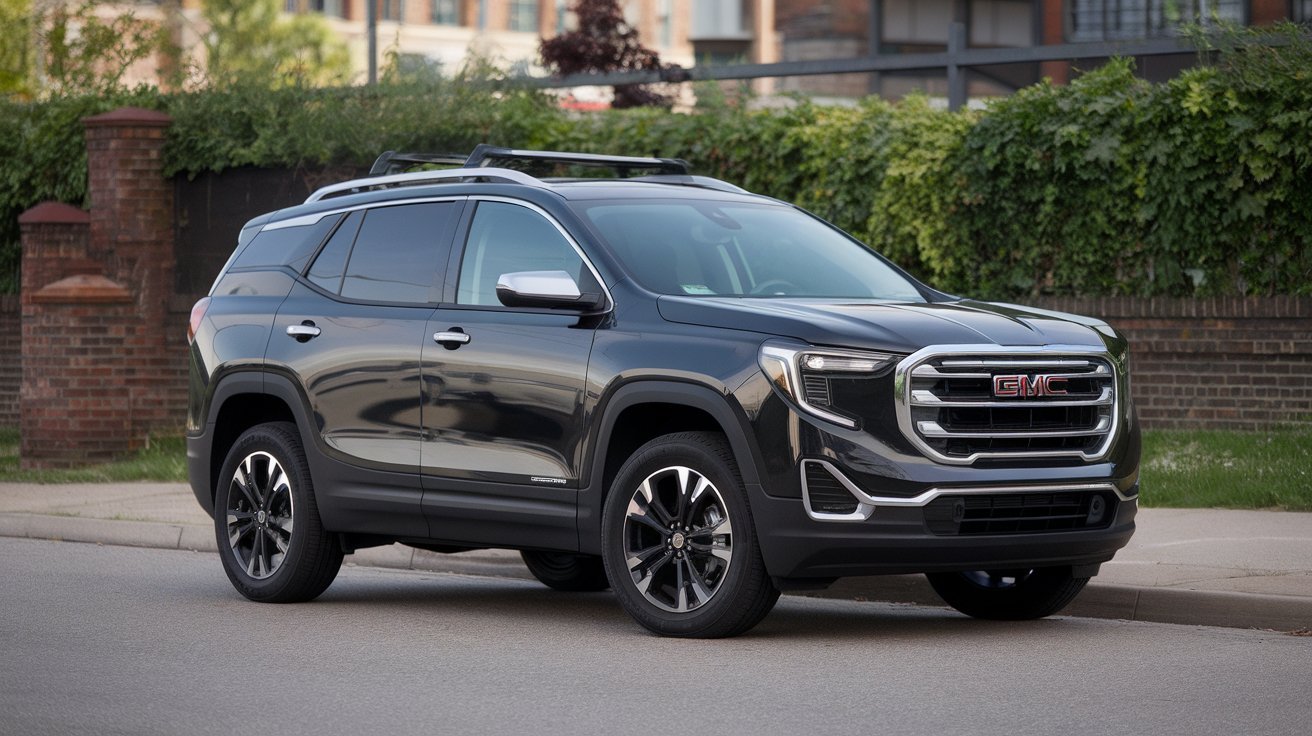
The 2025 GMC Terrain Elevation represents a major redesign of GMC’s compact SUV, bringing a tougher exterior, a substantially upgraded cabin, modern technology, and an expanded standard safety package. As the entry trim for the redesigned 2025 Terrain, the Elevation combines everyday practicality with a more premium appearance than its price might suggest.
For 2025, GMC gives the Terrain a more distinctive identity inspired by the brand’s larger SUVs. The redesigned model measures 181 inches long, offers seating for five, and provides up to 63.5 cubic feet of cargo capacity with the rear seats folded. Power comes from a 1.5-liter turbocharged four-cylinder engine producing 175 horsepower, with front-wheel drive or available all-wheel drive.
What Is the 2025 GMC Terrain Elevation?
The 2025 GMC Terrain Elevation is the redesigned Terrain’s core trim and was the principal version offered for the initial 2025 model launch. Unlike the previous generation, GMC substantially simplified the lineup for the redesigned model, concentrating on the Elevation before the AT4 and Denali versions arrived for the 2026 model year.
The Elevation is positioned as a compact SUV for buyers who want a combination of comfort, technology, passenger space, practicality, and rugged GMC styling. Its appearance is noticeably more truck-inspired than the outgoing Terrain, with a squared-off design and lighting elements that visually connect it to larger GMC products.
Pricing originally started at $31,395 for the front-wheel-drive Elevation, including destination charges in published U.S. pricing, while all-wheel drive raised the starting figure to approximately $33,395.
This positioning makes the Elevation an important choice for shoppers comparing compact SUVs such as the Chevrolet Equinox, Honda CR-V, Toyota RAV4, Mazda CX-5, Nissan Rogue, and Volkswagen Tiguan.
2025 GMC Terrain Elevation Engine and Performance
Every 2025 Terrain Elevation uses a 1.5-liter turbocharged four-cylinder engine. The engine produces 175 horsepower, while torque output varies according to drivetrain and transmission configuration. Front-wheel-drive models use a continuously variable transmission and produce 184 lb-ft of torque, while AWD models use an eight-speed automatic transmission and produce 203 lb-ft.
The important distinction is the drivetrain. FWD Elevation models use a CVT, while AWD models receive a conventional eight-speed automatic transmission. GMC’s AWD system therefore offers a different mechanical setup rather than simply adding driven rear wheels to the FWD configuration.
The Terrain is tuned primarily for comfortable everyday transportation rather than outright performance. Independent testing of an AWD Elevation recorded a 0-to-60-mph time of 8.6 seconds, while other testing has produced times around nine seconds. These figures confirm that the Terrain is adequate for normal driving but not particularly quick for its class.
For daily commuting, city driving, school runs, shopping, and highway cruising, the powertrain provides sufficient capability. Drivers who frequently demand rapid acceleration or enthusiastic handling may find the engine less impressive.
Fuel Economy, AWD, and Towing Capability
Fuel economy is respectable but not class-leading. The front-wheel-drive 2025 GMC Terrain Elevation is EPA-rated at approximately 26 mpg city and 28 mpg highway, or 27 mpg combined. AWD reduces the city figure to about 24 mpg, while highway economy remains around 28 mpg.
The Terrain uses a 14.8-gallon fuel tank, giving the FWD version a theoretical driving range of more than 400 miles on highway fuel economy under EPA estimates.
For light towing, GMC lists a maximum capacity of 800 pounds for the FWD Elevation. The AWD configuration can tow up to 1,500 pounds, making AWD the more appropriate choice for buyers who occasionally need to pull a small trailer or recreational equipment.
The AWD version also provides additional confidence in rain, snow, and other lower-traction conditions. It is important, however, not to confuse the Elevation with the more adventure-focused Terrain AT4, which receives specialized off-road equipment.
Interior, Comfort, and Cargo Space
The redesigned cabin is one of the strongest improvements in the 2025 GMC Terrain Elevation. GMC replaces the previous generation’s smaller displays with a prominent 15-inch portrait-oriented infotainment screen and an 11-inch digital instrument cluster.
The cabin also receives practical improvements, including a steering-column-mounted gear selector that replaces the previous push-button arrangement. The new layout gives the center console a cleaner appearance and provides additional usable storage space.
Standard equipment includes heated front seats, a heated steering wheel, and remote start, giving the entry-level Elevation a surprisingly strong equipment list. Available packages can add features such as a power driver’s seat, dual-zone automatic climate control, rain-sensing wipers, wireless charging, a power liftgate, ventilated front seats, and additional convenience features.
Passenger space is another advantage. GMC lists 40.6 inches of front legroom and 39.2 inches in the rear, making the Terrain suitable for carrying adults in both seating rows. Cargo capacity reaches 29.8 cubic feet behind the rear seats and 63.5 cubic feet with those seats folded.
Technology and Safety Features
Technology is a major part of the 2025 redesign. The large 15-inch touchscreen dominates the dashboard and supports modern connected features, while the digital gauge display provides important vehicle information directly in front of the driver.
The Terrain also benefits from a much stronger standard driver-assistance package. GMC expanded the standard safety technology substantially for the redesigned model, with features including automatic emergency braking, blind-spot monitoring, rear cross-traffic alert, adaptive cruise control, and other driver-assistance systems.
Optional technology can take the Elevation further. Available equipment includes a 360-degree camera system, rear camera mirror, traffic-sign recognition, rear pedestrian alert, and additional visibility technologies.
This broad technology package helps the Terrain compete in a segment where buyers increasingly expect advanced safety equipment even on entry-level trims.
2025 GMC Terrain Elevation Exterior Design
The redesigned exterior gives the 2025 GMC Terrain Elevation a much stronger road presence. Its styling moves away from the softer appearance of the previous generation and adopts a more upright, squared-off design associated with GMC’s larger SUVs.
The Elevation comes standard with 17-inch wheels, while optional packages can increase wheel size to 19 inches. GMC also offers a Black Edition with 19-inch gloss-black wheels and darker exterior accents for buyers seeking a more aggressive appearance.
The Terrain measures 181 inches long, 74.5 inches wide, and 66.1 inches tall, with approximately 8.1 inches of ground clearance. Its 107.5-inch wheelbase contributes to a useful balance between interior room and manageable exterior dimensions.
2025 GMC Terrain Elevation Price and Overall Value
The original U.S. starting price for the 2025 GMC Terrain Elevation FWD was $31,395, while AWD started at $33,395, including the destination charge cited by several automotive publications.
Optional equipment can raise the price considerably. A fully equipped AWD Elevation tested by Car and Driver reached $40,515, with packages adding premium upholstery, power seating, panoramic sunroof, advanced camera technology, convenience features, and black exterior equipment.
The Elevation’s value comes from its combination of standard comfort features, large displays, modern safety technology, spacious seating, and distinctive styling. Its principal weaknesses are relatively modest acceleration and fuel economy that does not lead the compact-SUV segment. Independent testing also suggests that the Terrain is better suited to relaxed driving than aggressive cornering or rapid acceleration.
Conclusion
The 2025 GMC Terrain Elevation is a substantial redesign that strengthens GMC’s position in the compact SUV market. Its biggest advantages are its bold exterior styling, comfortable interior, large infotainment display, generous cargo capacity, strong standard safety equipment, and available AWD.
The 175-horsepower turbocharged engine is not designed to deliver sports-car acceleration, but it provides practical everyday performance. Buyers who prioritize comfort and technology over outright speed will find the Terrain’s character more appealing.
With 29.8 cubic feet of cargo space behind the rear seats, 63.5 cubic feet with the seats folded, available AWD, modern driver assistance, heated front seats, a heated steering wheel, and a large 15-inch touchscreen, the Elevation offers a compelling package for everyday SUV buyers.
For drivers seeking a modern, comfortable, technology-focused compact SUV with distinctive GMC styling, the 2025 GMC Terrain Elevation remains a strong option to consider.
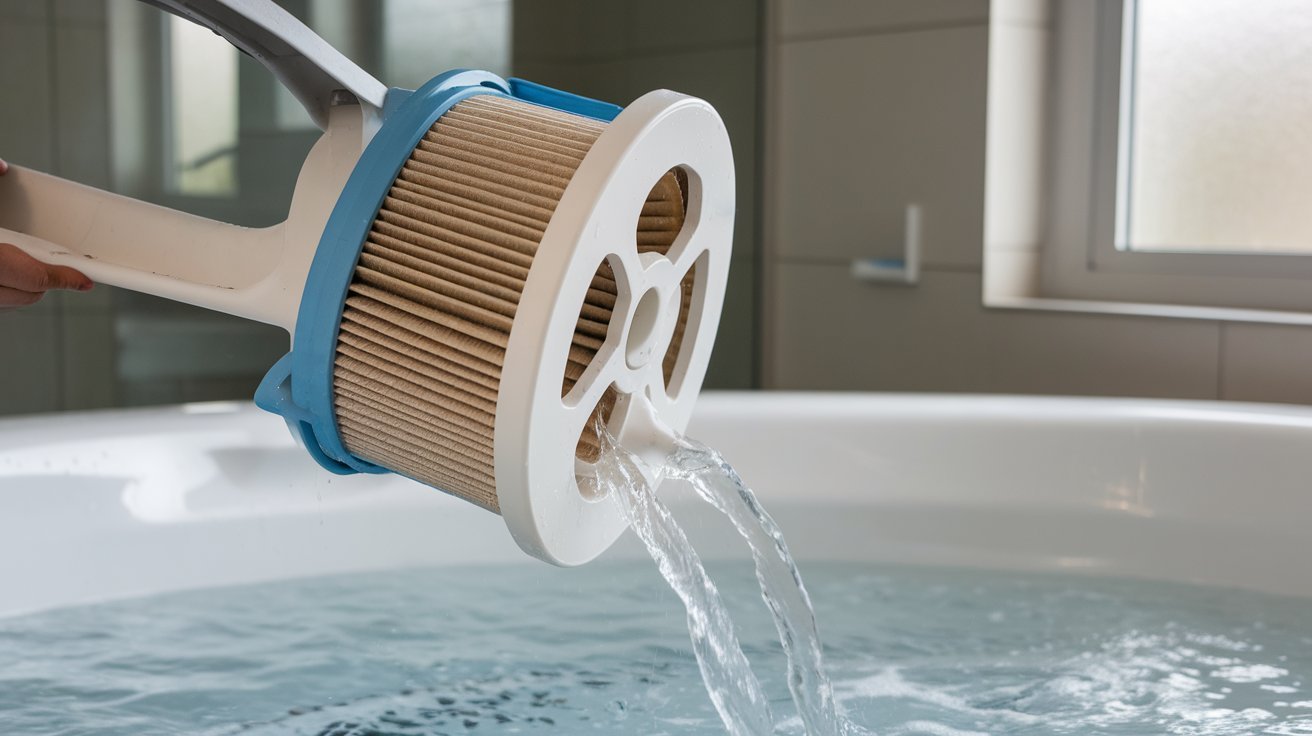
Replace Whirlpool filter is an important part of maintaining clean, fresh-tasting water and keeping a compatible Whirlpool appliance working properly. Whether the filter is installed in a refrigerator, ice maker, or another Whirlpool water-filtration system, regular replacement helps maintain filtration performance and water quality. A filter that has reached the end of its useful life may become less effective and can affect the taste, smell, and flow of water.
The good news is that most Whirlpool filter replacements can be completed without special tools. The exact procedure depends on the Whirlpool appliance model and filter type, but the basic process involves identifying the correct replacement, removing the old filter, installing the new one correctly, flushing the system, and resetting the filter indicator when applicable.
When Should We Replace a Whirlpool Filter?
The replacement interval depends on the appliance, water usage, and filter design. Many Whirlpool refrigerator filters are designed to be replaced approximately every six months, although the appliance’s owner’s manual and filter indicator should be treated as the primary references.
We should replace the filter sooner when the refrigerator or filtration system shows signs that the filter is becoming exhausted. Common signs include:
- Water tastes or smells different
- Water flow becomes noticeably slower
- The filter indicator changes color or displays a replacement message
- Ice develops an unusual taste or odor
- The filter has reached its manufacturer’s recommended service interval
- The appliance has experienced a significant change in water quality
A filter can still look clean externally while its internal filtration media is becoming saturated. For that reason, appearance alone is not a reliable way to determine whether replacement is necessary.
How to Find the Correct Whirlpool Replacement Filter
Before removing the existing filter, we should identify the exact replacement filter required for the Whirlpool appliance. Using the wrong filter can result in poor filtration, leakage, or an improperly fitted cartridge.
The easiest starting point is the old filter. Many Whirlpool filters have a model or part number printed directly on the cartridge. We can also check the refrigerator’s owner’s manual or the appliance’s model information.
The refrigerator model number is particularly useful because Whirlpool has produced appliances with several different filter configurations. Two refrigerators that look similar can require different filter cartridges.
When purchasing a replacement, we should verify:
- The filter model or part number
- Compatibility with the exact appliance
- Installation style
- Certification or filtration specifications
- Manufacturer recommendations
- Whether the replacement is genuine or an approved compatible product
Avoid selecting a filter simply because it physically resembles the old cartridge. Correct compatibility matters more than appearance.
How to Replace a Whirlpool Refrigerator Water Filter
Once the correct filter is available, we can begin the replacement. Before starting, it is useful to have a clean towel nearby because a small amount of water may escape during removal.
1. Locate the Existing Filter
Whirlpool refrigerators use different filter locations depending on the model. The filter may be located inside the refrigerator compartment, behind a cover, near the bottom grille, or in another designated filtration housing.
Look for a cartridge-shaped component or a compartment marked Water Filter.
2. Open the Filter Compartment
If the filter is behind a cover, gently open the cover according to the appliance design. We should avoid forcing the housing because plastic components can become brittle over time.
Some Whirlpool filter systems use a push-release mechanism, while others use a twist mechanism.
3. Remove the Old Filter
The removal procedure depends on the cartridge style.
For a push-style filter, we generally press the filter inward and then pull it outward. For a twist-style filter, we turn the cartridge in the direction indicated by the housing before pulling it out.
If the filter does not move easily, we should check the installation markings rather than applying excessive force. A cartridge that is difficult to remove may be under pressure or incorrectly positioned.
4. Prepare the New Filter
Remove all protective packaging from the replacement cartridge. Some filters have a protective cap or seal that must be removed before installation.
We should inspect the filter for visible damage and confirm that its connectors and sealing surfaces are clean.
5. Install the New Whirlpool Filter
Insert the replacement cartridge into the filter housing. Align the filter carefully with the guides or connector.
For a push-style design, press the cartridge firmly into position until it is seated. For a twist-style design, rotate it until the locking mechanism engages.
A properly installed filter should sit securely without excessive movement. Never operate the water system with a filter that has not fully locked into position.
Flushing the New Whirlpool Water Filter
A new filter should generally be flushed before drinking the filtered water. Flushing removes trapped air and can clear fine carbon particles or manufacturing residue from the filtration media.
The amount of water required varies by filter and appliance. We should follow the instructions supplied with the replacement filter and the Whirlpool owner’s documentation.
During the first few uses, the water may appear slightly cloudy because of air in the system. This does not necessarily indicate a defective filter. Continue the recommended flushing procedure until the water runs normally.
We should also check carefully around the filter housing for leaks. If water is leaking, the filter may not be seated correctly, the housing may not be fully closed, or the cartridge may be incompatible.
How to Reset the Whirlpool Filter Indicator
Many Whirlpool refrigerators have a filter status indicator that reminds us when the cartridge needs replacement. Installing a new filter does not always reset this indicator automatically.
The reset procedure varies by refrigerator model. Depending on the appliance, we may need to press and hold a designated button such as the filter reset control for several seconds.
Because Whirlpool has used different control panels over the years, the owner’s manual provides the most accurate instructions for a particular refrigerator.
After resetting the indicator, we should confirm that the display or light has returned to its normal status.
If the indicator does not reset, avoid repeatedly pressing random controls. Instead, check the model-specific instructions because the required button combination can vary.
Common Problems After Replacing a Whirlpool Filter
A properly installed filter should allow the water system to operate normally. If problems occur after replacement, several basic checks can help.
Low Water Flow
Low flow can result from an incorrectly installed cartridge, trapped air, a filter that is not fully seated, or another restriction in the water system.
Remove and reinstall the filter according to the manufacturer’s instructions. If the problem remains, the refrigerator’s water supply should also be checked.
Water Tastes Unusual
A new carbon filter can initially produce a slight taste that disappears after proper flushing. If the taste persists, verify that all packaging was removed and that the filter is the correct model.
Filter Leaking
A leak commonly indicates that the cartridge is not correctly seated or locked. We should remove it, inspect the sealing area, and reinstall it carefully.
If leakage continues with a compatible, correctly installed filter, the filter housing or connector may require inspection.
Filter Will Not Install
Do not force the cartridge. Check that the replacement is the correct filter and that it is aligned properly with the housing. A filter designed for a different Whirlpool model may look similar while having incompatible connections.
Tips for Maintaining a Whirlpool Water Filter System
Regular maintenance can make filter replacement easier and help maintain consistent water quality. We should keep the filter compartment clean and follow the recommended replacement schedule rather than waiting until water quality becomes noticeably poor.
It is also useful to keep a record of the filter replacement date. A simple reminder on a phone or calendar can prevent the cartridge from being forgotten.
If the refrigerator is used heavily, the filter may reach its capacity faster than in a household with low water consumption. Water quality also varies by location, so actual filter life can differ.
We should always follow the manufacturer’s recommendations for the specific appliance instead of assuming that every Whirlpool filter has the same service life.
Frequently Asked Questions About Replacing a Whirlpool Filter
How often should we replace a Whirlpool refrigerator filter?
Many Whirlpool refrigerator filters are commonly replaced about every six months, but the exact interval depends on the model, filter, water usage, and manufacturer instructions.
Do we need to turn off the refrigerator before replacing the filter?
Usually, the refrigerator does not need to be completely powered off for a normal filter change. However, we should follow the instructions for the specific Whirlpool model and handle the water connection carefully.
Why is the water cloudy after installing a new filter?
Cloudy-looking water can be caused by air trapped in the new filter or water line. Proper flushing usually resolves the issue.
Why is my Whirlpool filter leaking after replacement?
The cartridge may not be fully seated or locked into position. Remove it and reinstall it carefully. If the leak continues, verify that the replacement filter is compatible with the appliance.
Do we have to reset the Whirlpool filter light?
If the refrigerator has a filter indicator, resetting it is generally necessary so the appliance can accurately track the next replacement interval. The exact reset procedure depends on the model.
Can we use any water filter that fits a Whirlpool refrigerator?
No. Physical fit alone does not guarantee compatibility or filtration performance. We should use the correct filter specified for the refrigerator model.
What should we do if the new filter does not fit?
We should not force it. Check the filter part number and refrigerator model, then confirm that the replacement cartridge is designed for that particular filtration system.
Is flushing a new Whirlpool filter necessary?
Flushing is generally recommended because it helps remove trapped air and initial carbon particles. We should follow the flushing volume and procedure provided with the specific filter.
Final Thoughts
A replace Whirlpool filter is a straightforward maintenance task when we use the correct cartridge and follow the proper installation procedure. Identifying the exact filter, removing the old cartridge carefully, installing the new one securely, flushing the system, checking for leaks, and resetting the filter indicator are the key steps.
By replacing the filter on the recommended schedule, we can help maintain fresh-tasting water, reliable water flow, and consistent filtration performance. Most importantly, we should always verify the filter model and appliance-specific instructions before beginning the replacement.
Blog
Drain Pump Filter on LG Washing Machine: Location, Cleaning, Problems, and 2026 Maintenance Guide
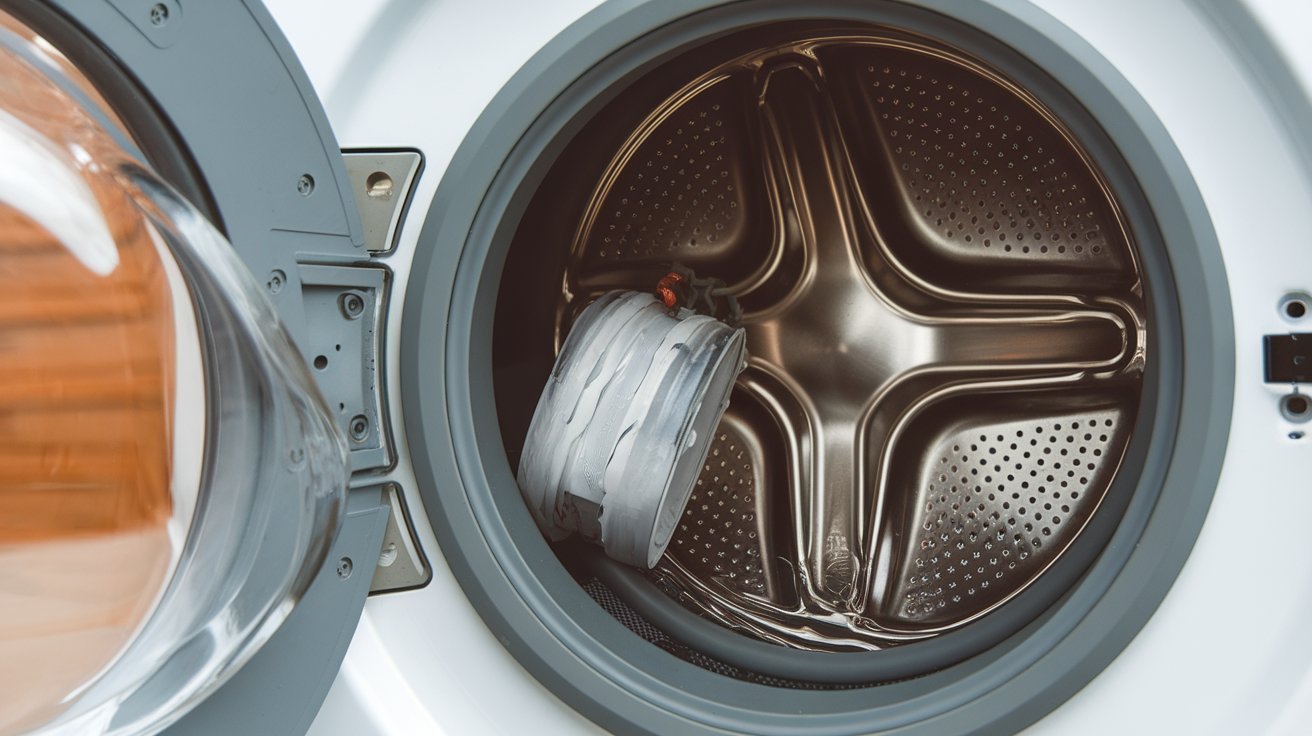
The Drain Pump Filter on LG Washing Machine plays an important role in keeping wastewater flowing out of the washer. It catches small foreign objects such as lint, coins, buttons, hair, and other debris before they can interfere with the drain pump. A clogged filter can contribute to slow draining, standing water, unpleasant odors, or an OE drainage error.
LG’s current support guidance recommends cleaning the drain pump filter at least once a month on applicable models. The filter is found on LG front-load washers and washer-dryer combo units, while LG notes that it is not present on its top-load washers.
Regular maintenance is therefore an important part of keeping an LG washer operating properly in 2026.
Where Is the Drain Pump Filter on an LG Washing Machine?
On most applicable LG front-load washing machines, the drain pump filter is located behind a small service or access panel at the bottom front of the washer. On many models, this panel is toward the lower-left corner, although LG notes that the exact location can vary by model.
Behind the panel, we typically find two important components:
- A residual-water drain hose
- The drain pump filter
The small drain hose is used to remove water remaining inside the washer before the filter is unscrewed. This is important because opening the filter while water remains in the tub can result in a substantial amount of water spilling onto the floor. LG also warns that the remaining water can be hot, depending on the wash cycle.
Because LG produces many different washer models, the appearance of the access panel and filter assembly can differ. The owner’s manual for the exact model should therefore be treated as the final reference when the layout differs from the standard design.
What Does the LG Drain Pump Filter Do?
The drain pump filter is designed to catch foreign objects and debris that could otherwise restrict water flow or interfere with the drain pump.
During washing, small objects can accidentally remain in pockets or become separated from clothing. Items such as coins, buttons, lint, threads, hair, and other debris can eventually reach the drainage system. The filter helps prevent these materials from causing problems farther inside the pump.
LG explains that items trapped in the drain pump can restrict drainage and hinder washer performance. The company recommends checking and cleaning the filter regularly, with monthly cleaning being the general maintenance recommendation. More frequent cleaning may be appropriate depending on how often the washer is used.
A clean filter helps the washer remove wastewater efficiently at the appropriate stage of the cycle.
How to Clean the Drain Pump Filter on an LG Washing Machine
Cleaning the LG drain pump filter is generally straightforward, but we should prepare for residual water before opening the filter.
Step 1: Turn Off and Unplug the Washer
Press the power button and disconnect the washing machine from the electrical outlet before beginning maintenance. LG’s manuals specifically instruct users to unplug the appliance before cleaning the drain pump filter.
Make sure the drum is empty.
Step 2: Open the Service Panel
Locate the service panel at the bottom front of the washer and open it. On many LG front-load models, the panel is positioned near the lower-left portion of the machine.
Step 3: Drain the Remaining Water
Place a shallow pan, bowl, or suitable container beneath the residual-water hose.
Carefully pull the hose forward without extending it excessively. LG warns that pulling the hose too far can cause it to kink and prevent water from draining properly. Remove the cap and allow the remaining water to flow into the container.
Use caution because the water may still be hot.
Step 4: Remove the Pump Filter
Once the residual water has drained, turn the pump filter counterclockwise to remove it. Keep a towel nearby because a small amount of additional water may escape when the filter is removed.
Step 5: Clean the Filter
Remove visible lint, hair, coins, threads, and other debris.
LG recommends cleaning the filter with warm water and a soft-bristle brush. The filter opening and surrounding base should also be cleaned carefully to remove accumulated debris.
Do not place the pump filter in a dishwasher. LG specifically advises cleaning it manually with appropriate tools.
Step 6: Reinstall Everything Correctly
Replace the residual-water hose cap and secure the hose back into its original position.
Then insert the drain pump filter and turn it clockwise until it stops. It should be properly threaded and tightened. Finally, close the service panel.
Correct reassembly is essential. LG warns that operating the washer with the filter incorrectly installed or without the filter can cause leaks or malfunction.
Signs the LG Drain Pump Filter Needs Cleaning
A dirty or clogged filter can produce several noticeable symptoms. One of the most common is slow drainage. Water may remain in the drum longer than expected, or the washer may stop before completing the cycle.
Another important warning sign is the OE error code. LG identifies a clogged drain pump filter as one possible cause of an OE water-outlet error. However, the filter is not the only possible cause.
Other symptoms can include:
- Water remaining in the drum
- A wash cycle stopping during draining
- Drainage taking unusually long
- Debris or lint accumulating around the filter
- Unusual odors associated with stagnant water
- Drain pump noise without effective water removal
- An OE error appearing on the display
If the filter is clean but the washer continues to experience drainage problems, the issue may involve the drain hose, household drain, excessive suds, frozen plumbing, or the drain pump itself. LG identifies kinked or compressed hoses and excessive suds among other possible causes of drainage problems.
How Often Should We Clean an LG Drain Pump Filter?
For applicable LG front-load washers, monthly cleaning is a useful general maintenance schedule. LG’s 2026 support guidance recommends cleaning the drain pump filter monthly, while noting that more frequent cleaning may be necessary depending on usage.
Homes that run many washing cycles may need to inspect the filter more frequently. We should also check it promptly if the washer begins draining slowly or displays an OE error.
Drain-filter maintenance should be combined with other washer-care tasks. LG recommends regular Tub Clean cycles, cleaning the detergent dispenser, and wiping the door and gasket to help maintain the machine. Its September 2026 guidance specifically recommends cleaning the drain pump filter, detergent dispenser, inlet filters, and door gasket as part of regular washer maintenance.
What to Check if Cleaning the Filter Does Not Fix an OE Error
Cleaning the drain pump filter is an important first step, but an OE error can have multiple causes.
First, inspect the drain hose for kinks, compression, or improper positioning. LG notes that a restricted or improperly installed hose can prevent water from leaving the washer efficiently.
Next, consider excessive detergent suds. LG explains that too many suds can create air pockets and interfere with the drain pump’s ability to remove water effectively. Running a Tub Clean cycle and reducing detergent use may help when excessive suds are involved.
If the filter is clean, the hose is unobstructed, and the problem continues, professional service may be necessary. LG indicates that if the drain pump does not operate properly, repair service may be required.
2026 LG Drain Pump Filter Maintenance Checklist
| Maintenance Task | Recommended Action |
|---|---|
| Drain pump filter | Clean monthly |
| Residual-water hose | Inspect for damage and proper installation |
| Filter opening | Remove lint and debris |
| Drain hose | Check for kinks or compression |
| Door gasket | Wipe and clean regularly |
| Detergent dispenser | Clean periodically |
| Tub Clean cycle | Run according to the model’s instructions |
| OE error | Check filter, hose, suds, and drainage system |
The drain pump filter on an LG washing machine is a small component with an important job. Keeping it clean helps reduce the possibility of drainage restrictions caused by accumulated debris and allows the washer’s drainage system to operate as intended.
For most applicable LG front-load washers and combo units, the basic process is simple: turn off and unplug the washer, open the service panel, drain residual water, remove the filter, clean it with warm water and a soft brush, inspect the filter opening, and reinstall everything securely.
The exact design varies between models, so the specific LG owner’s manual should always take priority if its instructions differ. Regular monthly inspection, combined with proper hose and tub maintenance, can help keep an LG washing machine draining efficiently throughout 2026.
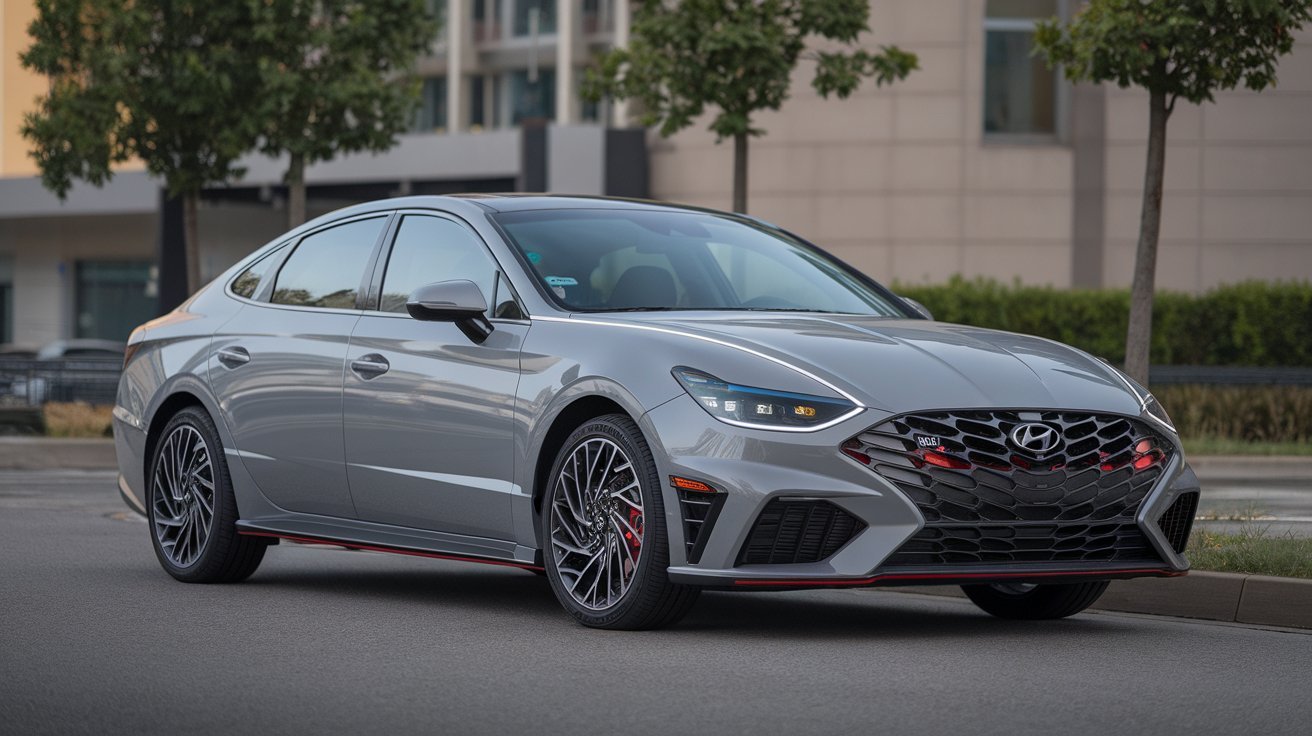
The 2025 Hyundai Sonata N Line is a sporty midsize sedan designed for drivers who want stronger performance without giving up the comfort and practicality expected from a daily-use family car. With a 290-horsepower turbocharged engine, an eight-speed wet dual-clutch transmission, aggressive styling, modern technology, and a well-equipped cabin, the N Line occupies a distinctive position in the 2025 Sonata lineup.
Hyundai lists the 2025 Sonata N Line with a starting MSRP of $35,500, before freight, taxes, title, and licensing charges. It also carries an EPA-estimated 23 mpg city, 32 mpg highway, and 27 mpg combined rating.
2025 Hyundai Sonata N Line Engine and Performance
The biggest reason to consider the 2025 Hyundai Sonata N Line is its powertrain. Under the hood is a 2.5-liter turbocharged four-cylinder engine producing 290 horsepower at 5,800 rpm and 311 lb-ft of torque from 1,650 to 4,000 rpm. Hyundai combines this engine with an N eight-speed wet dual-clutch transmission and paddle shifters.
The strong torque output gives the Sonata N Line quick response when accelerating from a stop or passing on the highway. Unlike the regular Sonata models, which use naturally aspirated engines or hybrid powertrains depending on trim, the N Line is specifically configured around turbocharged performance.
The car remains front-wheel drive, and Hyundai does not offer all-wheel drive on the N Line. The combination of front-wheel drive, turbocharged power, and the dual-clutch transmission gives the sedan a distinctly performance-oriented character.
Independent testing of the closely related 2024 N Line recorded 0–60 mph in 5.4 seconds, although results can vary according to tires, conditions, testing methods, and vehicle configuration. Car and Driver also noted that revisions to the dual-clutch transmission and launch-control system improved launch consistency.
Exterior Design and N Line Styling
The Sonata N Line looks considerably more aggressive than a conventional family sedan. Hyundai gives it unique styling elements intended to separate it from lower Sonata trims.
One of the most recognizable features is the N Design 19-inch alloy wheels. The large wheels contribute to the car’s sporty stance while complementing the sharp lines of the redesigned Sonata body. Hyundai pairs these wheels with 245/40 R19 tires.
The N Line treatment also includes sport-oriented exterior details, distinctive front and rear styling, and a more athletic visual character. Quad exhaust outlets further emphasize the performance theme.
Available exterior colors include options such as Abyss Black, Transmission Blue, Ultimate Red, Portofino Gray, Aero Silver, Serenity White, and Carbon Blue, depending on configuration and availability.
Rather than looking like an ordinary midsize sedan with a larger engine, the N Line is designed to make its performance intentions visible.
Interior Comfort, Technology, and Practicality
Inside, the 2025 Hyundai Sonata N Line combines sport-focused details with the technology expected from a modern midsize sedan. Hyundai equips the N Line with N unique sport front seats featuring microfiber inserts, creating a more distinctive cabin than standard Sonata versions.
The cabin also benefits from Hyundai’s broad technology package. Features include a 12.3-inch digital instrument cluster, Hyundai Digital Key 2, wireless device charging, and advanced driver-assistance technologies. Hyundai also lists Highway Driving Assist among the N Line’s equipment.
The Sonata remains practical despite its performance focus. Edmunds lists seating for five passengers and approximately 15.6 cubic feet of cargo capacity for the 2025 N Line.
This balance is important because the N Line is not intended to function solely as a weekend performance vehicle. Its four-door configuration, comfortable cabin, technology, and usable trunk make it suitable for commuting, highway travel, and everyday errands.
Fuel Economy, Transmission, and Driving Experience
Performance usually comes with a fuel-economy compromise, and the N Line follows that pattern. The official EPA estimate is 23 mpg city, 32 mpg highway, and 27 mpg combined. Actual fuel economy can vary based on traffic, driving style, weather, tire pressure, road conditions, and vehicle use.
The eight-speed wet dual-clutch transmission is one of the most important parts of the driving experience. It is designed to provide rapid gear changes while maintaining the convenience of an automatic transmission.
The N Line also uses a sport-tuned suspension, with a MacPherson-strut front suspension and independent multi-link rear suspension. Four-wheel disc brakes with ABS are standard.
The result is a sedan that provides considerably more performance than the standard 191-hp Sonata powertrain. At the same time, the N Line remains usable as a regular commuter.
Independent reviews have identified both strengths and compromises. Edmunds praised the N Line’s acceleration, technology, and ride quality, while noting that its all-season tires can limit traction during hard acceleration and reduce ultimate grip during aggressive driving.
2025 Hyundai Sonata N Line Price and Value
The 2025 Hyundai Sonata N Line starts at $35,500 MSRP according to Hyundai’s U.S. specifications. This price excludes freight charges, taxes, title, licensing, and other applicable costs.
Its value proposition comes from the combination of performance and equipment. Instead of requiring buyers to add numerous options to create a sporty sedan, the N Line includes the major performance upgrades as part of the trim.
The 290-hp engine, wet dual-clutch transmission, 19-inch wheels, sport seats, advanced technology, and driver-assistance features create a comprehensive package.
Warranty coverage is another important consideration. Hyundai’s 2025 Sonata information lists a 5-year/60,000-mile new vehicle limited warranty, a 10-year/100,000-mile powertrain limited warranty, and complimentary scheduled maintenance for 3 years/36,000 miles in the United States, subject to the applicable terms and conditions.
2025 Hyundai Sonata N Line vs. Regular Sonata
The main difference between the 2025 Hyundai Sonata N Line and the regular Sonata models is the powertrain and performance focus.
The standard 2.5-liter four-cylinder produces 191 horsepower and 181 lb-ft of torque, while the N Line’s turbocharged engine produces 290 horsepower and 311 lb-ft of torque. The N Line also receives its own wet dual-clutch transmission, sport-tuned suspension, 19-inch wheels, and unique styling.
The regular Sonata lineup can make more sense for buyers prioritizing fuel economy or available all-wheel drive. The N Line, meanwhile, is aimed at drivers who want substantially stronger acceleration and a more performance-oriented appearance.
The hybrid Sonata takes a different approach, using a 2.0-liter hybrid powertrain with 192 combined horsepower and EPA estimates of up to 44 mpg city and 51 mpg highway in applicable trims.
Is the 2025 Hyundai Sonata N Line a Practical Sport Sedan?
The 2025 Hyundai Sonata N Line demonstrates that a midsize sedan can combine everyday practicality with serious power. Its 290-hp turbocharged four-cylinder engine gives it performance that is unusual for a mainstream family sedan, while the four-door body, comfortable interior, technology, and generous equipment keep it useful for daily driving.
The N Line is not the same type of vehicle as a dedicated high-performance sports sedan. Instead, it occupies the space between an ordinary commuter car and a performance-focused vehicle. Its strongest characteristics are its powerful engine, quick transmission, distinctive styling, extensive standard equipment, and everyday usability.
For 2025, the Sonata N Line provides a clear choice within the Sonata family: buyers who want maximum efficiency can consider the hybrid, those who want traditional everyday transportation can select a standard trim, and drivers seeking significantly more power can choose the 290-hp N Line.
Frequently Asked Questions
How much horsepower does the 2025 Hyundai Sonata N Line have?
The 2025 Sonata N Line has 290 horsepower from its 2.5-liter turbocharged four-cylinder engine.
How much torque does the Sonata N Line produce?
It produces 311 lb-ft of torque between 1,650 and 4,000 rpm.
Does the 2025 Sonata N Line have AWD?
No. The N Line uses front-wheel drive. Hyundai’s available AWD system is offered on the non-N Line SEL configuration rather than the N Line.
What transmission does the Sonata N Line use?
It uses an N eight-speed wet dual-clutch transmission with paddle shifters.
What is the 2025 Sonata N Line fuel economy?
The EPA estimate is 23 mpg city, 32 mpg highway, and 27 mpg combined.
How much does the 2025 Hyundai Sonata N Line cost?
Its U.S. starting MSRP is $35,500, excluding freight, taxes, title, and licensing costs.
Conclusion
The 2025 Hyundai Sonata N Line brings together the practicality of a midsize sedan and the performance of a turbocharged sport-oriented model. Its 290-horsepower 2.5-liter turbo engine, 311 lb-ft of torque, wet dual-clutch transmission, 19-inch wheels, sport seats, modern technology, and distinctive styling make it the performance-focused member of the Sonata lineup.
With an EPA-estimated 27 mpg combined, a spacious five-passenger cabin, and extensive standard equipment, it also remains practical enough for everyday use.
For drivers looking for a sedan that offers substantially more performance than a conventional family car without moving into a dedicated luxury or sports-car category, the 2025 Hyundai Sonata N Line provides a clearly defined combination of speed, comfort, technology, and practicality.

Replace Filter Whirlpool: A Complete 2026 Guide to Changing Whirlpool Filters

Noilly Prat: Complete Guide to French Vermouth in 2026

Air Jordan 14 Retro Black University Blue: 2026 Release, Price, Design and Complete Guide

FitFlop: The Ultimate Guide to Comfortable, Stylish, and Supportive Footwear

Hart Bochner: Biography, Movies, TV Shows, Directing Career, and Lasting Hollywood Legacy

Kacy Byxbee: Everything to Know About the Costume Designer, Career, Relationship, and Private Life
 Fashion3 months ago
FitFlop: The Ultimate Guide to Comfortable, Stylish, and Supportive Footwear
- Celebrity3 months ago
Hart Bochner: Biography, Movies, TV Shows, Directing Career, and Lasting Hollywood Legacy
- Celebrity3 months ago
Kacy Byxbee: Everything to Know About the Costume Designer, Career, Relationship, and Private Life
- Celebrity3 months ago
Paula Gosselaar: The Life, Family Background, and Influence Behind Mark-Paul Gosselaar’s Success
- Celebrity3 months ago
Barbara Cameron: Biography, Career, Achievements, and Lasting Legacy
- Celebrity3 months ago
Hilary Gumbel: Everything to Know About Bryant Gumbel’s Wife, Career, Family, and Private Life
- Celebrity3 months ago
Susan Duff: A Look at Her Life, Family, Career, and Lasting Legacy
- Celebrity3 months ago
Bill Cusack: A Comprehensive Look at His Career, Influence, and Lasting Legacy